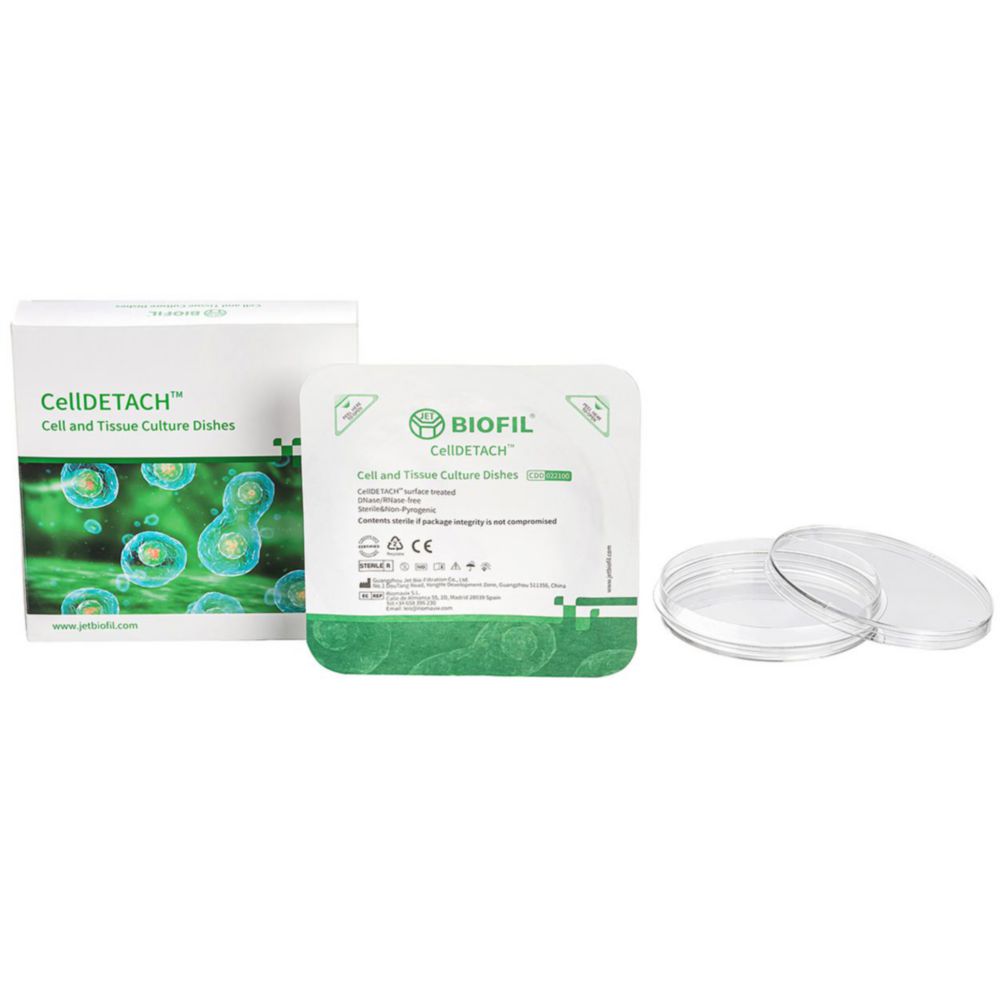
The cell culture dishes have a thermosensitive surface, which is coated with a nanopolymer. When the temperature decreases from 37°C to 4°C, the thermosensitive surface gradually changes from slightly hydrophobic to hydrophilic, allowing for the harvest of adherent cells without trypsin. By using this gentle collection method, the cells are safe from injuries caused by trypsin or scrapers, thus preserving high viability and the integrity of surface receptors and cell antigens. This operation enables cells to be harvested without damage for subculturing.
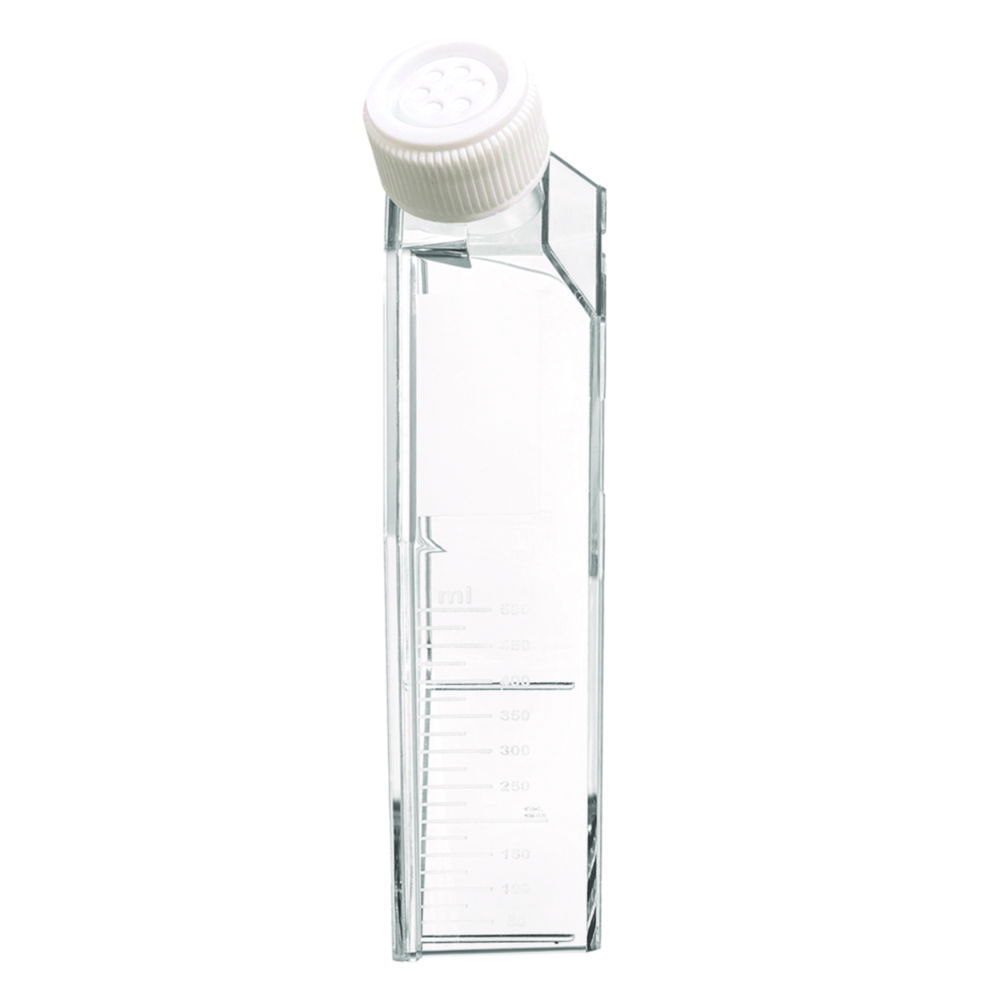
The cell culture flasks have a thermosensitive surface, which is coated with a nanopolymer. When the temperature decreases from 37°C to 4°C, the thermosensitive surface gradually changes from slightly hydrophobic to hydrophilic, allowing for the harvest of adherent cells without trypsin. By using this gentle collection method, the cells are safe from injuries caused by trypsin or scrapers, thus preserving high viability and the integrity of surface receptors and cell antigens. This operation enables cells to be harvested without damage for subculturing.
Cell culture is increasing in popularity in the research and development area. Outside of basic research, cells are cultivated today for a number of reasons, including the production of proteins and in particular as assay systems. As cell cultures can sometimes be quite demanding regarding their environment, the disposables used for cultivation have to be of highest quality. The different cell culture surfaces allow the optimum combination between microplate and specific cell line.For cultivation of suspension cell cultures. Especially suited for cell cultures, when adhesion is not desired. Optimised surface characteristics reducing cell adhesion and protein adsorption, enzyme and cellular activation is minimised. Stem cells can be prevented from early differentiation. Incl. one lid per package.SterileManufactured under ISO class 7 cleanroom conditionsOrange or embossed alphanumeric codingFree from endotoxins (< 0.01 EU/ml), DNase, DNA, RNase, non-cytotoxic (according to ISO 10993)ANSI/SLAS format
Cell culture is increasing in popularity in the research and development area. Outside of basic research, cells are cultivated today for a number of reasons, including the production of proteins and in particular as assay systems. As cell cultures can sometimes be quite demanding regarding their environment, the disposables used for cultivation have to be of highest quality. The different cell culture surfaces allow the optimum combination between microplate and specific cell line.Standard plate for the cultivation of adherent cell cultures. PS-surface with different chemical groups, like e.g. carboxyl and hydroxyl groups, that are freely accessible. Surface is hydrophilic compared with non-treated PS. Incl. one lid per package.SterileManufactured under ISO class 7 cleanroom conditionsOrange or embossed alphanumeric codingFree from endotoxins (< 0.01 EU/ml), DNase, DNA, RNase, non-cytotoxic (according to ISO 10993)ANSI/SLAS format
Cell culture is increasing in popularity in the research and development area. Outside of basic research, cells are cultivated today for a number of reasons, including the production of proteins and in particular as assay systems. As cell cultures can sometimes be quite demanding regarding their environment, the disposables used for cultivation have to be of highest quality. The different cell culture surfaces allow the optimum combination between microplate and specific cell line.For cultivation of fastidious cell cultures. In addition to carboxyl and hydroxyl chemical groups, free amino groups are present on the surface. The surface has a protein-like composition; cells can directly attach and spread out. Cells adhere faster, better rate of yield. Suited for serum reduced cultivation of cells. Incl. one lid per package.SterileManufactured under ISO class 7 cleanroom conditionsOrange or embossed alphanumeric codingFree from endotoxins (< 0.01 EU/ml), DNase, DNA, RNase, non-cytotoxic (according to ISO 10993)ANSI/SLAS format
Cell culture is increasing in popularity in the research and development area. Outside of basic research, cells are cultivated today for a number of reasons, including the production of proteins and in particular as assay systems. As cell cultures can sometimes be quite demanding regarding their environment, the disposables used for cultivation have to be of highest quality. The different cell culture surfaces allow the optimum combination between microplate and specific cell line.Poly-D-Lysine-equivalent surface, with analogous results regarding growth performance and cell morphology. Optimal adhesion of cells to the surface reduces cell damage when washing frequently. Surface suited for serum-free and serum-reduced cultivation of cells. Good shelf life at room temperature. Incl. one lid per package.SterileManufactured under ISO class 7 cleanroom conditionsOrange or embossed alphanumeric codingFree from endotoxins (< 0.01 EU/ml), DNase, DNA, RNase, non-cytotoxic (according to ISO 10993)ANSI/SLAS format
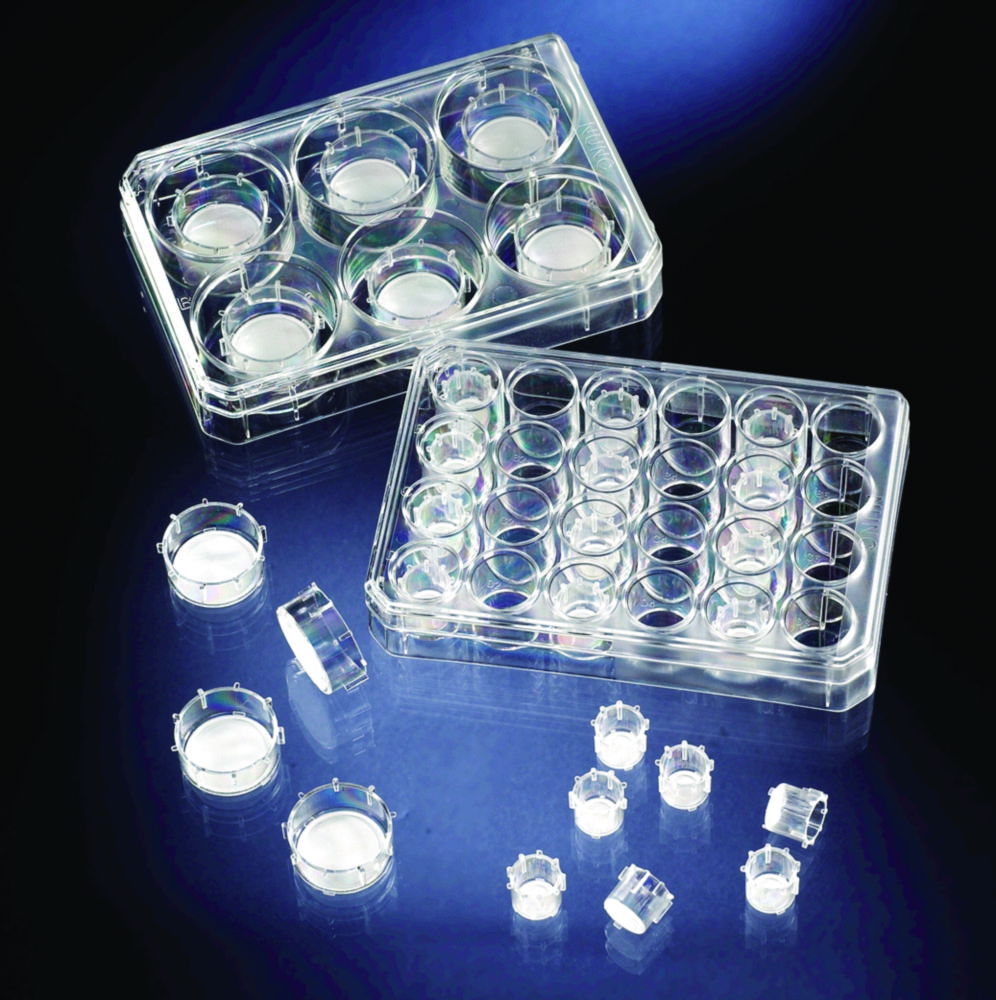
Inserts are treated and tested for good cell attachment. Easy cultivation of most cell types without matrix coating possible. Material membrane: Polycarbonate.
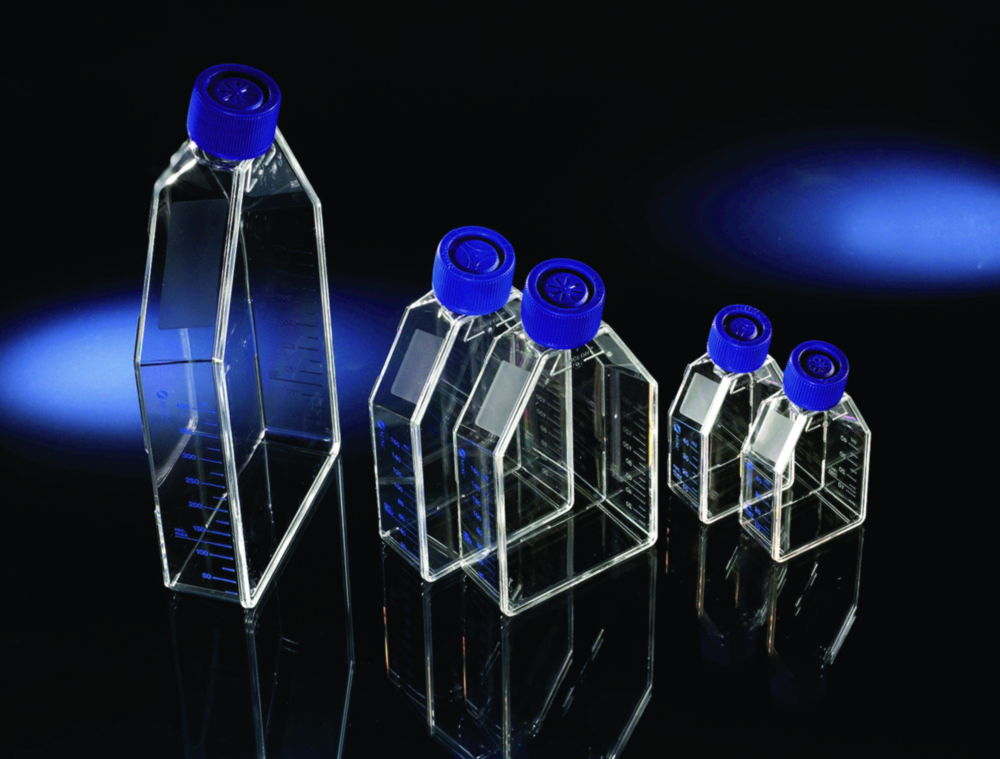
Cell culture flasks with Nunclon™Δ. Surface modifications are certified pyrogen-free and tested for monolayer formation and cloning efficiency with primary and immortalized cell lines. Sterile. Bottleneck at an angle.Material flasks: PolystyreneMaterial caps: HDPE
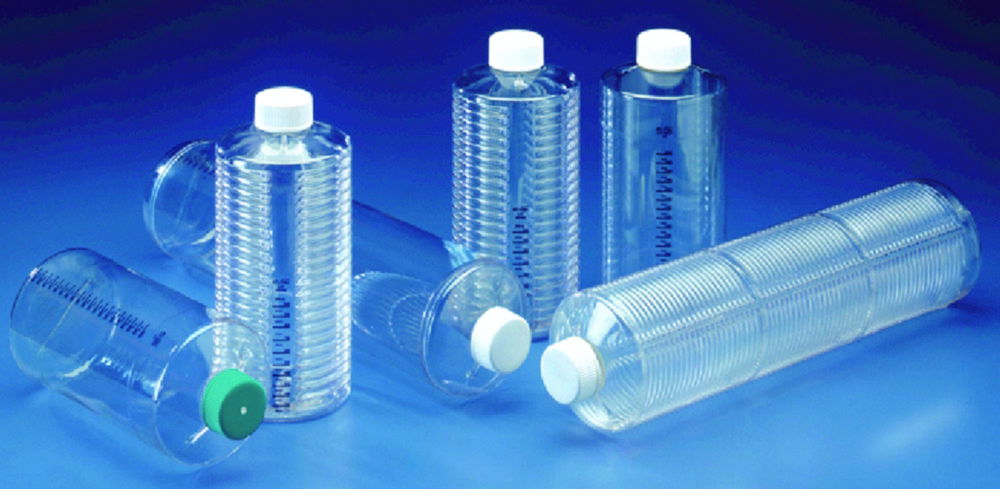
For industrial scale production of vaccines, monoclonal antibodies or pharmaceuticals. In vitro Roller Bottles molded of durable PETG. Excellent substrate for adherent cells. Quick-action ergonomic closure reduces wrist stain and increases productivity. Wide range of sizes with surface areas from 1050 cm² to 4200 cm². Available in both Standard and the patented Expanded Surface (XPS), which enables increased cell growth and product yield without the need to purchase additional production equipment or increase labor. In Vitro XPS Roller Bottles have specially designed pleats that dramatically expand the available growth surface. The pleats are oriented in the direction of rotation to minimise turbulence. Flat panels between sections allow microscopic viewing and expedite drainage during medium replacement and cell harvest. Easy-to-read graduations for medium fills. Lot number is printed on each bottle to maximise traceability. Sterile.
Dishes with non-treated surface for a variety of experimental requirements in the cell culture routine.Stacking rings on top and bottom for easy and safe stackingWith lid and air ventsSterilePyrogen-free
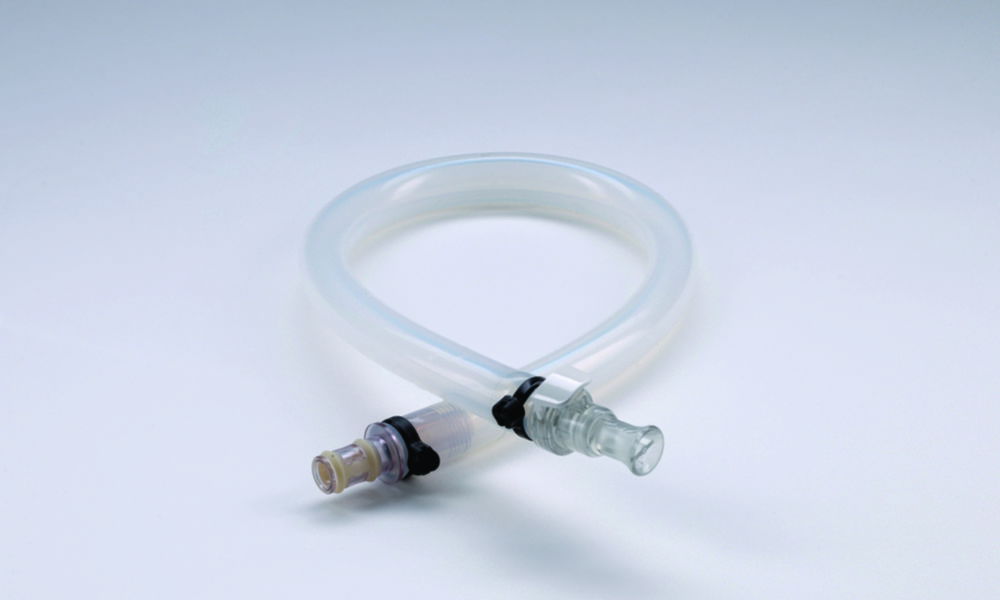
It is now easy to create a Thermo Scientific Nunc EasyFill™ Cell Factory system for your applications.Connections made easy: Plug a media bag or tubing set to any cell factory.Save time and reduce costs: Minimise cleaning processes and sterility validations. Accessories are gamma irradiated and individually wrapped.Prevent build up of back pressure during filling application: New venting options provide additional air venting when filling and harvesting by gravity or with a peristaltic pump.
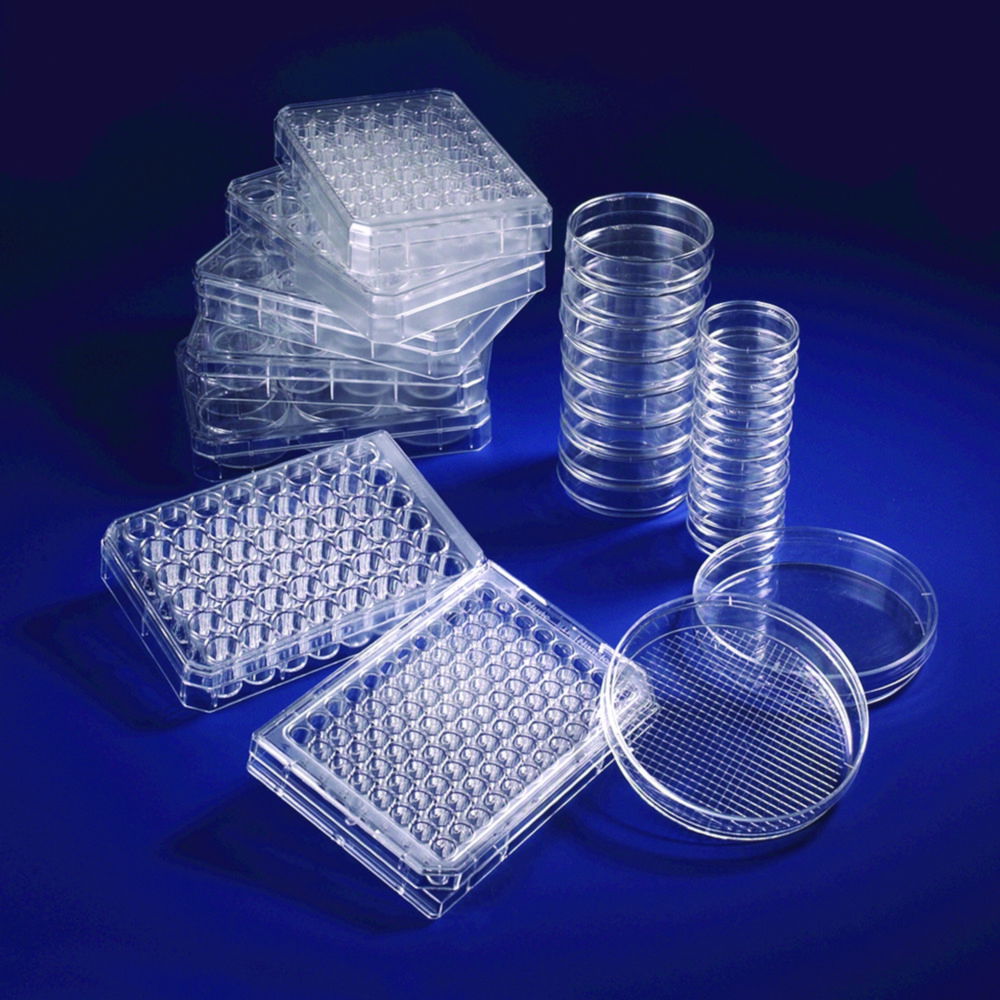
UpCell™ Surface enables harvesting of adherent cells by simple reduction of temperature from 37 °C to below 32 °C.Without trypsinization you will get your cells with intact surface proteins for culture passaging, single- cell analyses and cell transplantation reasearch.No manual cell scraping to get high viability.Enables harvesting of cell sheets and creation of 3D- tissue models held together by normal cell junctions and extracellular matrix deposited by the cells.With lids with airvent rims.Certified for functionality, sterility, pyrogen-free and non- toxicity.6-Well-Multidish will be delivered with specific membrane for cell sheet transfer.
Inserts are treated and tested for good cell attachment. Easy cultivation of most cell types without matrix coating possible. Used in a variety of applications, including transport studies, toxicity tests, chemotaxis studies and electron microscopy. Packed in sterile Nunclon™Δ treated multidishes and resealable bags. Non-toxic. Pyrogen-free. Sterile. Material membrane: Polycarbonate.
Plates with excellent optical quality and flat well bottom.
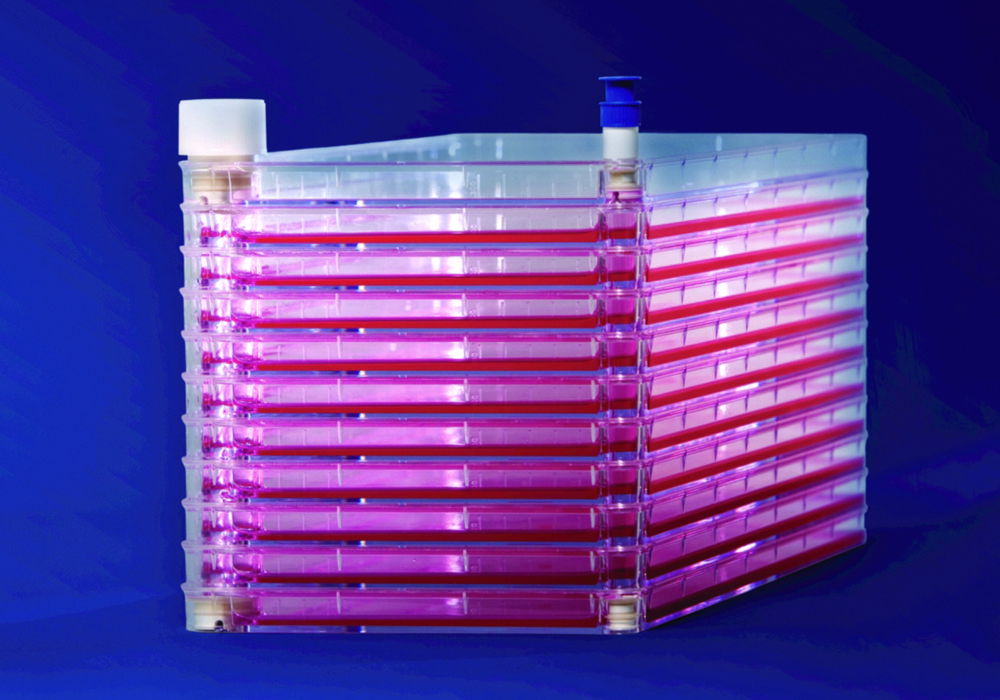
A time and space saving vessel for large scale cell culture production. Suitable for industrial scale production of vaccines, monoclonal antibodies or pharmaceuticals. Nunclon™Δ surface modification is certified for cell culture and ensures consistent cell growth layer to layer, lot to lot. Ready to use and easy to fill and empty with plug and play connection. Wide range of accessories available for different methods of filling, venting and harvesting (please see Cell Factories Accessories). Sterile.Material cell factories: Polystyrene
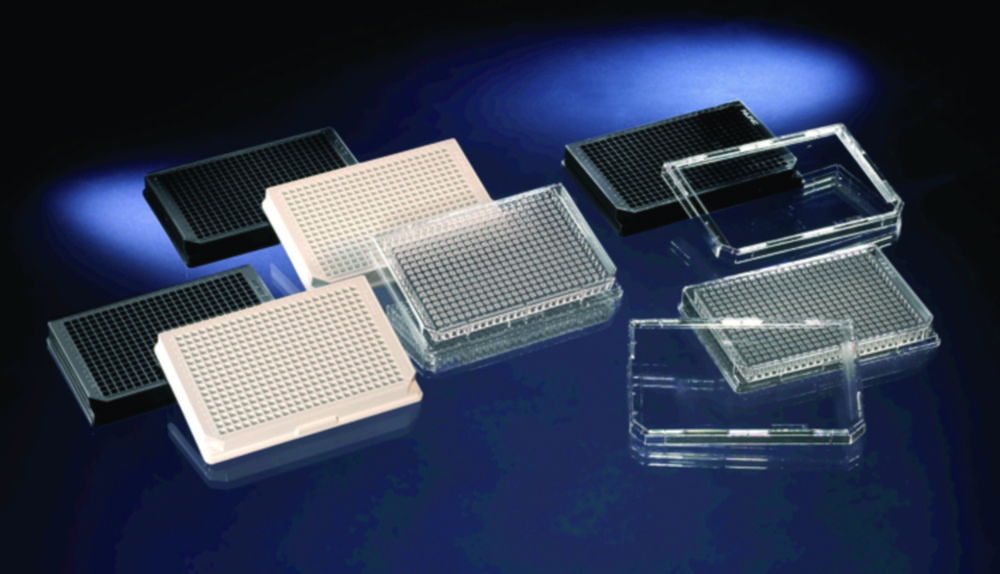
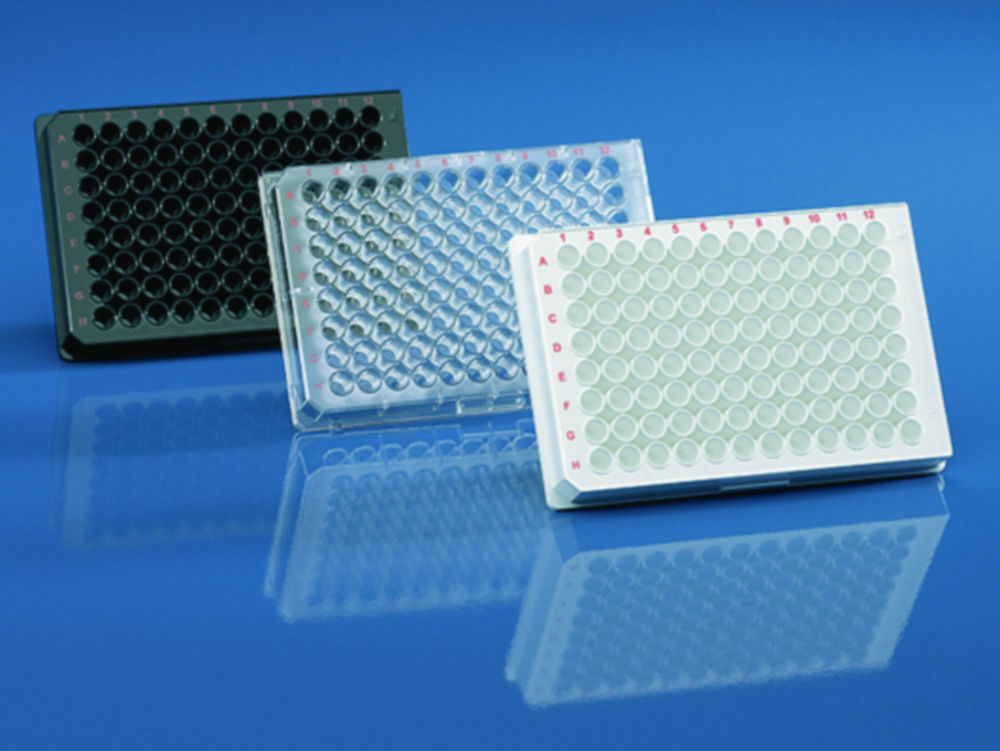
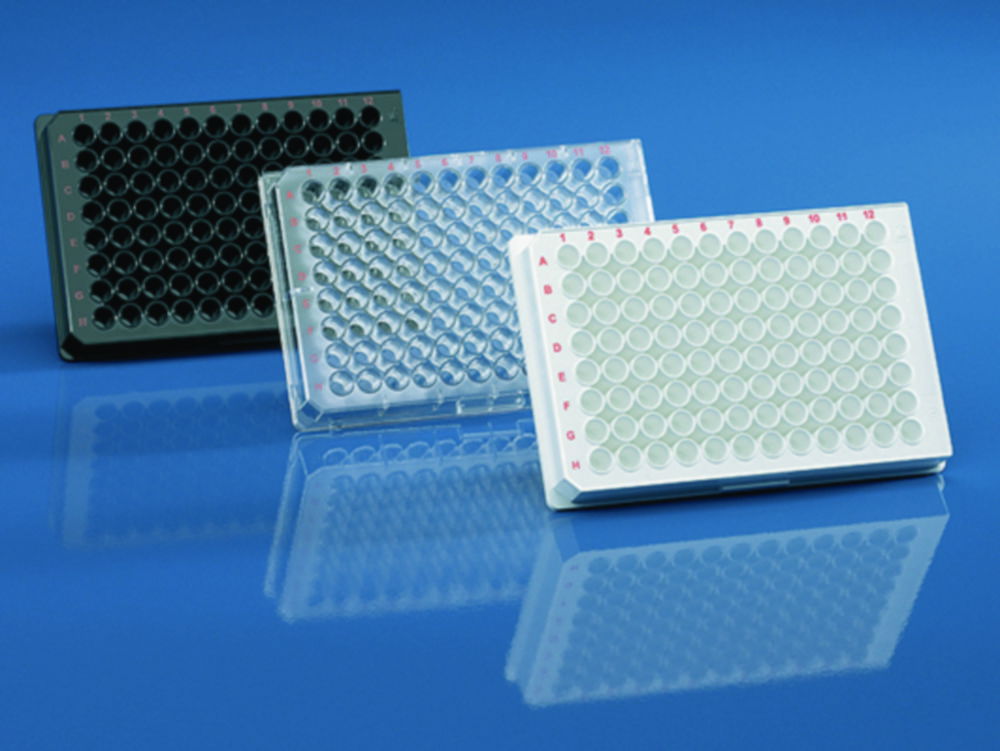
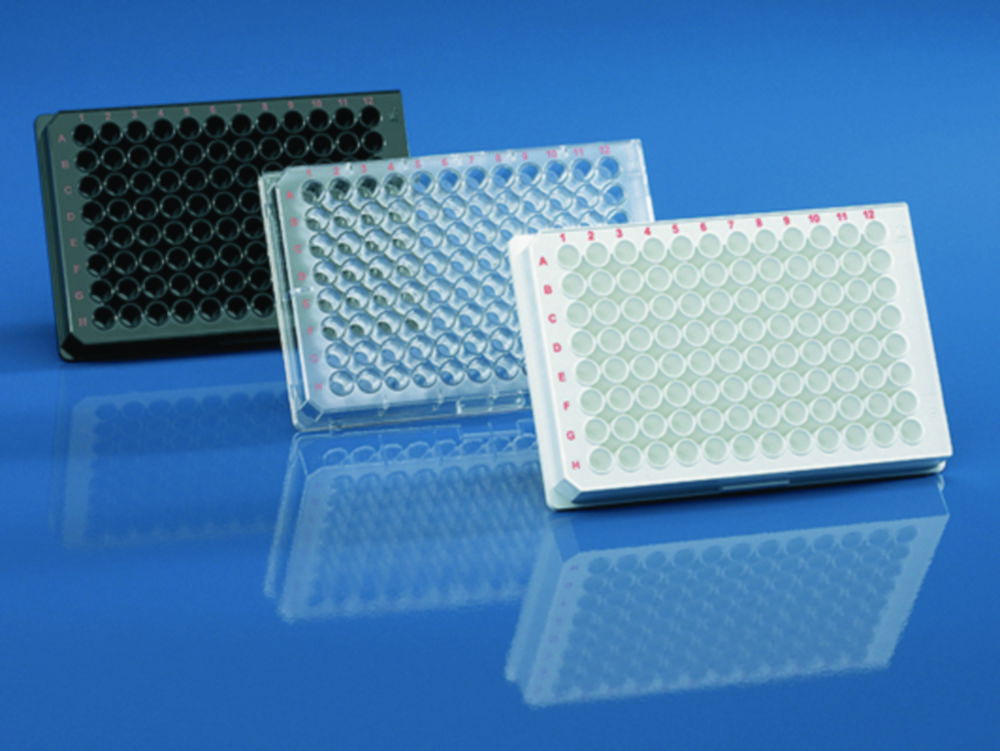
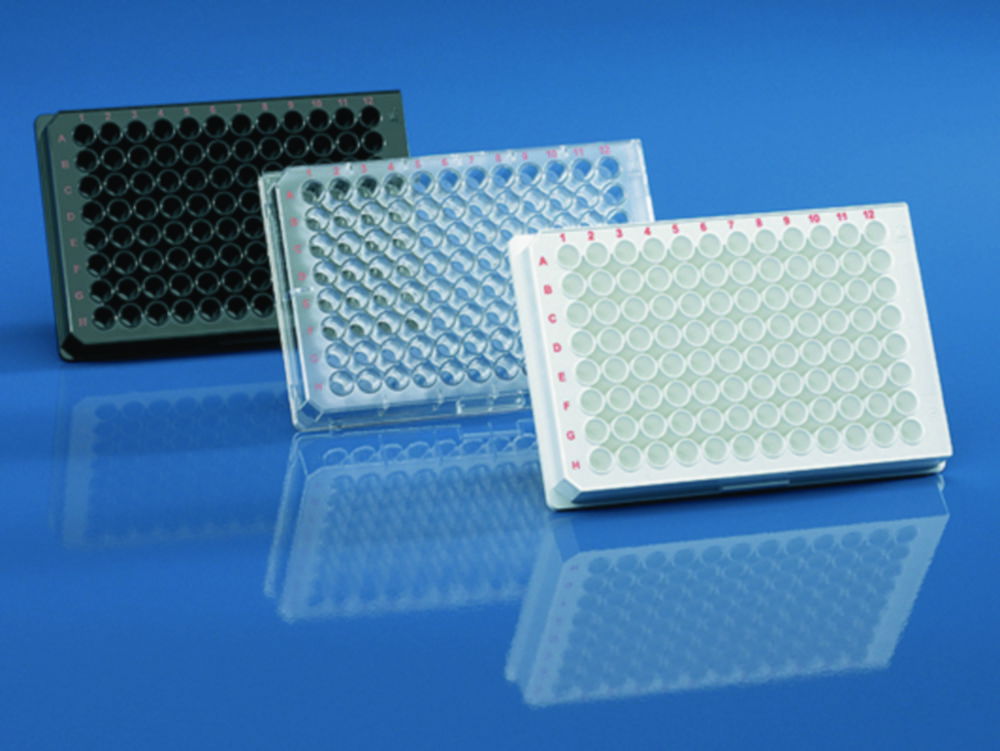
384 well microplates made of polystyrene have square wells with rounded corners, which prevents capillary effects. The Nunclon™ Δ surface is hydrophilic and promotes cell adhesion and cell growth. Transparent plates are ideal for optical measurements. Black plates with minimal backscattered light and background fluorescence are recommended for fluorescence measurements. White plates with maximum reflectance and minimum autoluminescence are recommended for luminescence measurements.
For industrial scale production of vaccines, monoclonal antibodies or pharmaceuticals. In vitro Roller Bottles molded of durable PETG. Excellent substrate for adherent cells. Quick-action ergonomic closure reduces wrist stain and increases productivity. Wide range of sizes with surface areas from 1050 cm² to 4200 cm². Available in both Standard and the patented Expanded Surface (XPS), which enables increased cell growth and product yield without the need to purchase additional production equipment or increase labor. In Vitro XPS Roller Bottles have specially designed pleats that dramatically expand the available growth surface. The pleats are oriented in the direction of rotation to minimise turbulence. Flat panels between sections allow microscopic viewing and expedite drainage during medium replacement and cell harvest. Easy-to-read graduations for medium fills. Lot number is printed on each bottle to maximise traceability. Sterile.
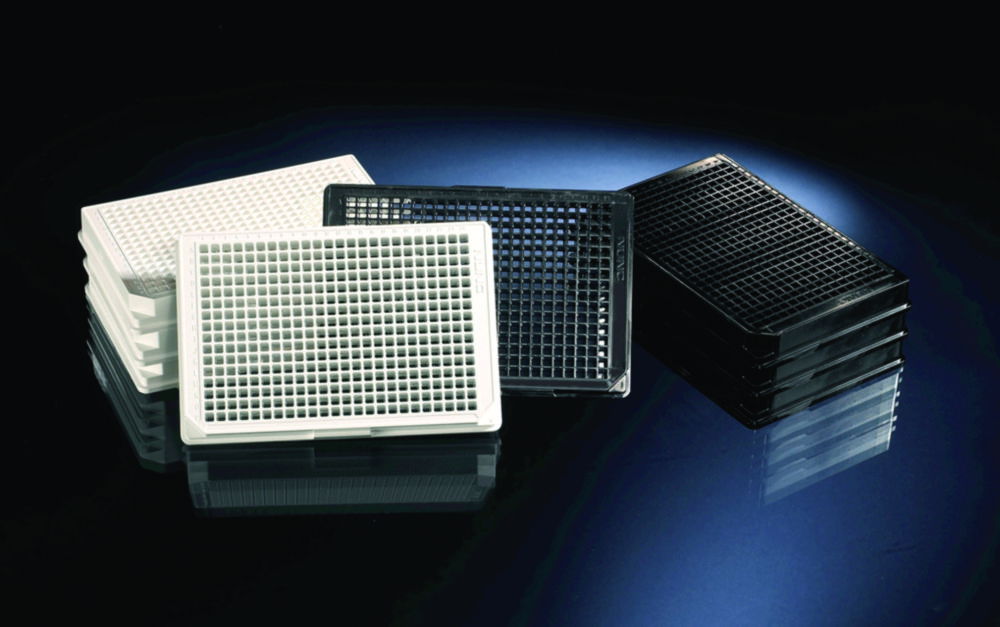
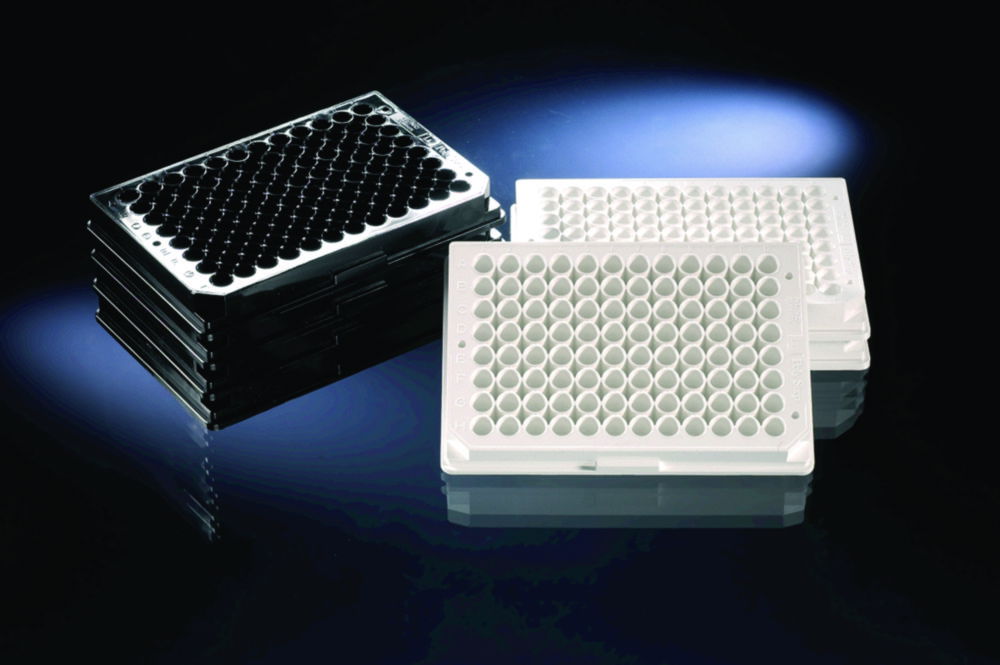
Combining a white or black upper structure with an optically clear, flat well bottom polymer base allows for reading from bottom and top, or both. Nunclon™Δ surface modifications are for cell culture optimized. Non-treated plates are ideal for scintillation counting.Material plates: PolystyreneTotal volume µl/well: 120
UpCell™ Surface enables harvesting of adherent cells by simple reduction of temperature from 37 °C to below 32 °C.Without trypsinization you will get your cells with intact surface proteins for culture passaging, single- cell analyses and cell transplantation reasearchNo manual cell scraping to get high viabilityEnables harvesting of cell sheets and creation of 3D- tissue models held together by normal cell junctions and extracellular matrix deposited by the cellsWith lids with airvent rimsCertified for functionality, sterility, pyrogen-free and non- toxicity35 mm dish will be delivered with specific membrane for cell sheet transfer.
UpCell™ Surface enables harvesting of adherent cells by simple reduction of temperature from 37 °C to below 32 °C.Without trypsinization you will get your cells with intact surface proteins for culture passaging, single- cell analyses and cell transplantation reasearchNo manual cell scraping to get high viabilityEnables harvesting of cell sheets and creation of 3D- tissue models held together by normal cell junctions and extracellular matrix deposited by the cellsWith lids with airvent rimsCertified for functionality, sterility, pyrogen-free and non- toxicity
Plates with excellent optical quality and flat well bottom. The Nunclon™ Δ cell culture-treated surface is hydrophilic and promotes cell adhesion and cell growth.
384 well microplates made of polystyrene have square wells with rounded corners and are suitable for performing quantitative and qualitative immunoassays. The MaxiSorp™ surface is hydrophilic and suitable for antibody sandwich assays. Transparent plate is ideal for optical measurements. Black plate with minimal backscattered light and minimal background fluorescence is recommended for fluorescence measurements. White plate with maximum reflectance and minimum autoluminescence is recommended for luminescence measurements.
Plates with excellent optical quality and flat well bottom.
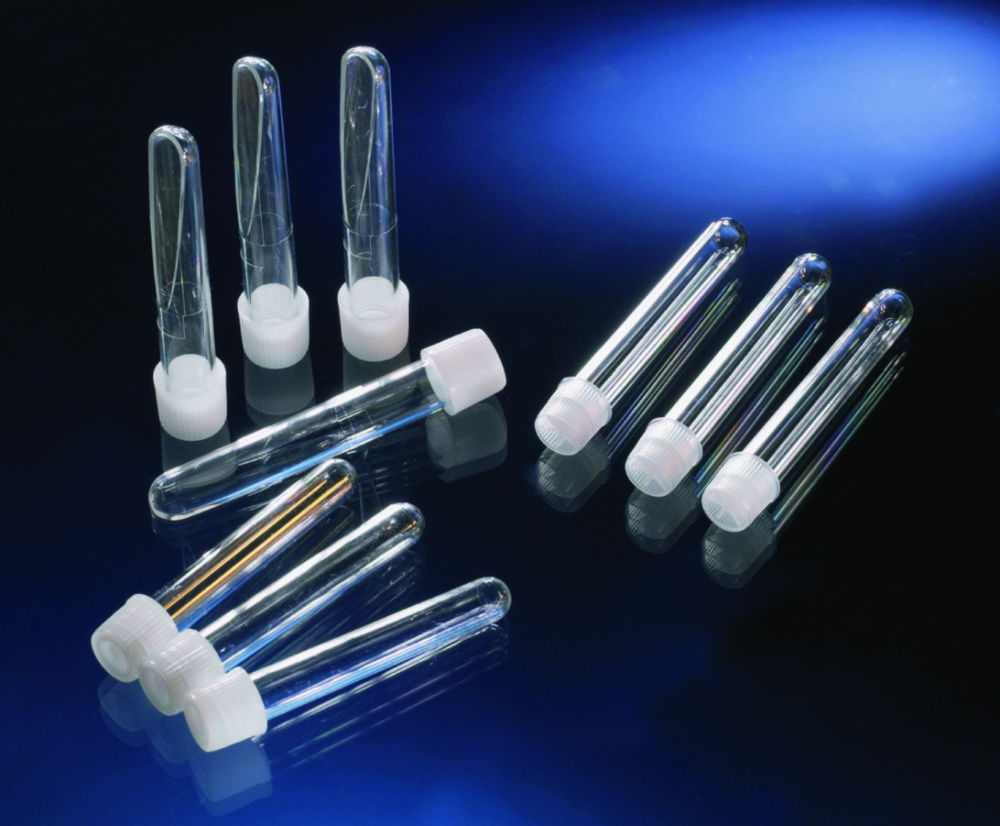
The surface of the tubes is coated with Thermo Scientific™ Nunclon™ Δ. With cap made of PE.
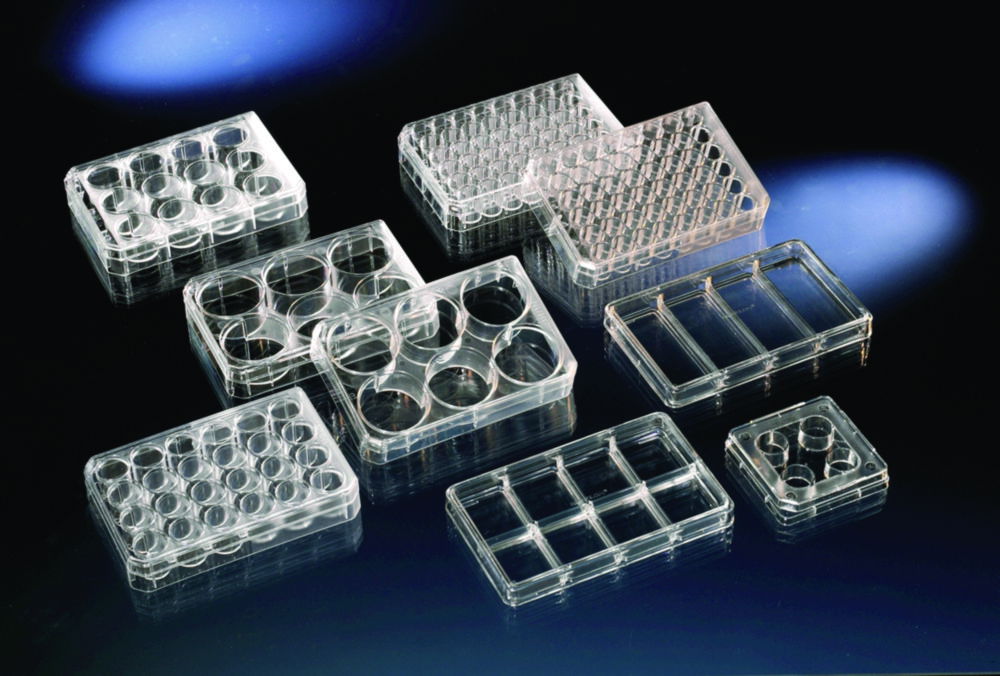
4- to 48-well multidishes with Nunclon™Δ treated surface. 6-well plates also available with Poly-D-Lysine and Collagen I coating.Raised well rims lower the risk of cross contamination.Excellent optical quality. All available surface modifications are certified pyrogen-free and tested for both monolayerformation and cloning efficiency employing primary cells as well as repeating cell lines. Sterile. With lidMaterial dishes and lids: Polystyrene
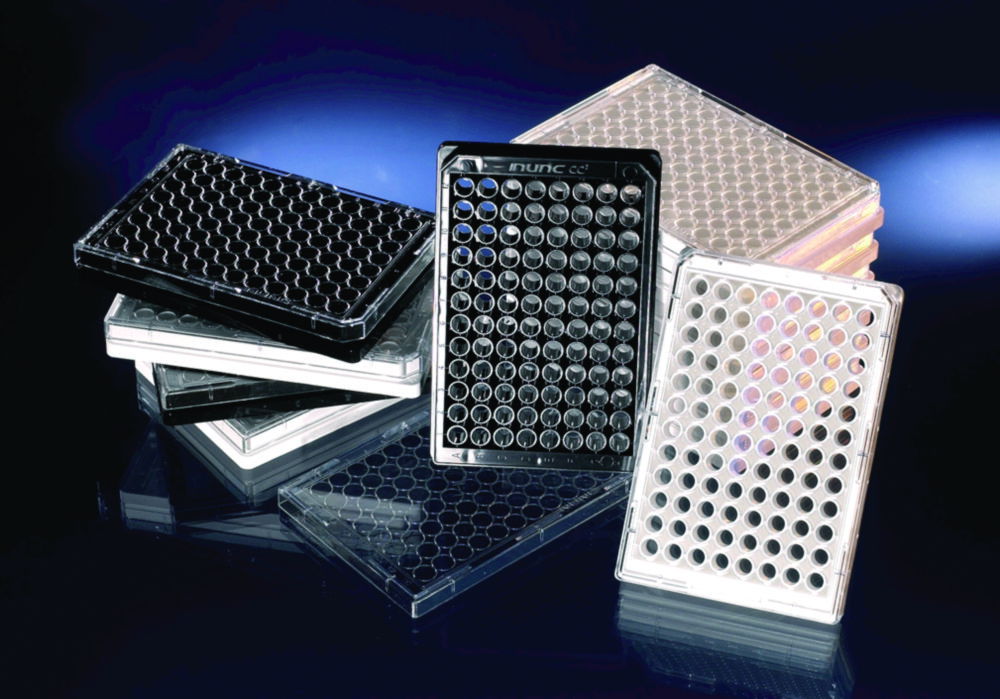
Nunclon™Δ surface for cell cultureNon-treated plates are optimised for scintillation countingWhite or black upper structure with polymer bottom plates combine the optical clarity of virgin crystalline polystyrene with optimal surface for a wide range of HTS applications Working volume range: 50 - 200µl/well
Plates with excellent optical quality and flat well bottom. Manufactured under aseptic conditions in a clean room.
384 well microplates made of polystyrene have square wells with rounded corners, which prevents capillary effects. Transparent plates are ideal for optical measurements. Black plates with minimal backscattered light and background fluorescence are recommended for fluorescence measurements. White plates with maximum reflectance and minimum autoluminescence are recommended for luminescence measurements.
Cell culture flasks with culture surfaces of 25-225 cm². Surface modifications are certified pyrogen-free and tested for monolayer formation and cloning efficiency with primary and immortalized cell lines. Sterile. Bottleneck at an angle.Material flasks: PolystyreneMaterial caps: HDPE
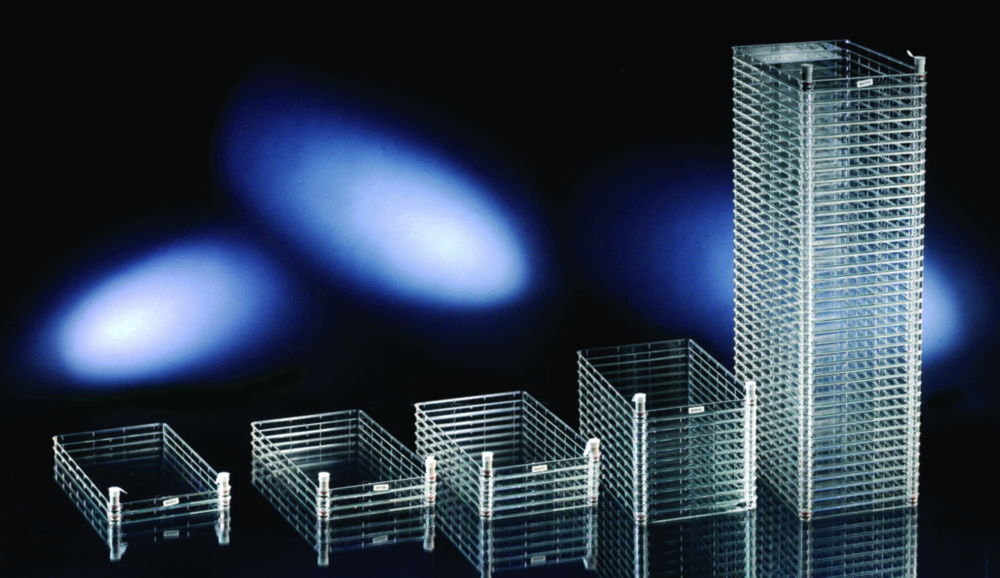
Cell culture Cell Factories are optimal for industrial scale production of vaccines, monoclonal antibodies or pharmaceuticals. Nunclon™Δ modification is certified for cell culture, ideal for adherent cells and can be used for suspension cultures. Available in 1, 2, 4, 10 or 40 tray versions for easy scale-up. Additional connectors etc. please see Cell Factories Accessories. Sterile.Material Cell Factories: Polystyrene
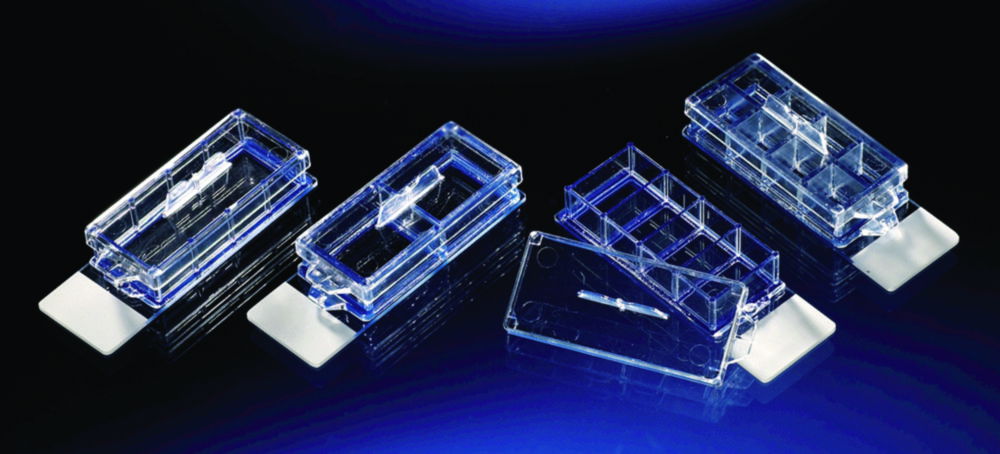
Chamber slides eliminate the need for cell transfer prior to visualisation / staining. Upper structure can be removed when culturing is complete. Useful for viral and mycoplasma testing, chromosome studies, toxicity tests and immunocytology. Sterile. Material chamber: Polystyrene.Sealant: Non-toxic medical grade silicone.
Chamber slides eliminate the need for cell transfer prior to visualisation / staining. Upper structure can be removed when culturing is complete. Useful for viral and mycoplasma testing, chromosome studies, toxicity tests and immunocytology. Sterile. Material chamber: Polystyrene.The chemically coated growth surface mimics the properties of a polylysine coating and provides binding sites optimal for fastidious cells (e.g. neurons).
384 well plate with a chamber structure made of polystyrene with a transparent base plate made of cover glass (no. 1.5). For optimal fluorescence and luminescence in cell culture and microscopy applications. The Nunclon™ Δ surface is hydrophilic and promotes cell adhesion and cell growth.
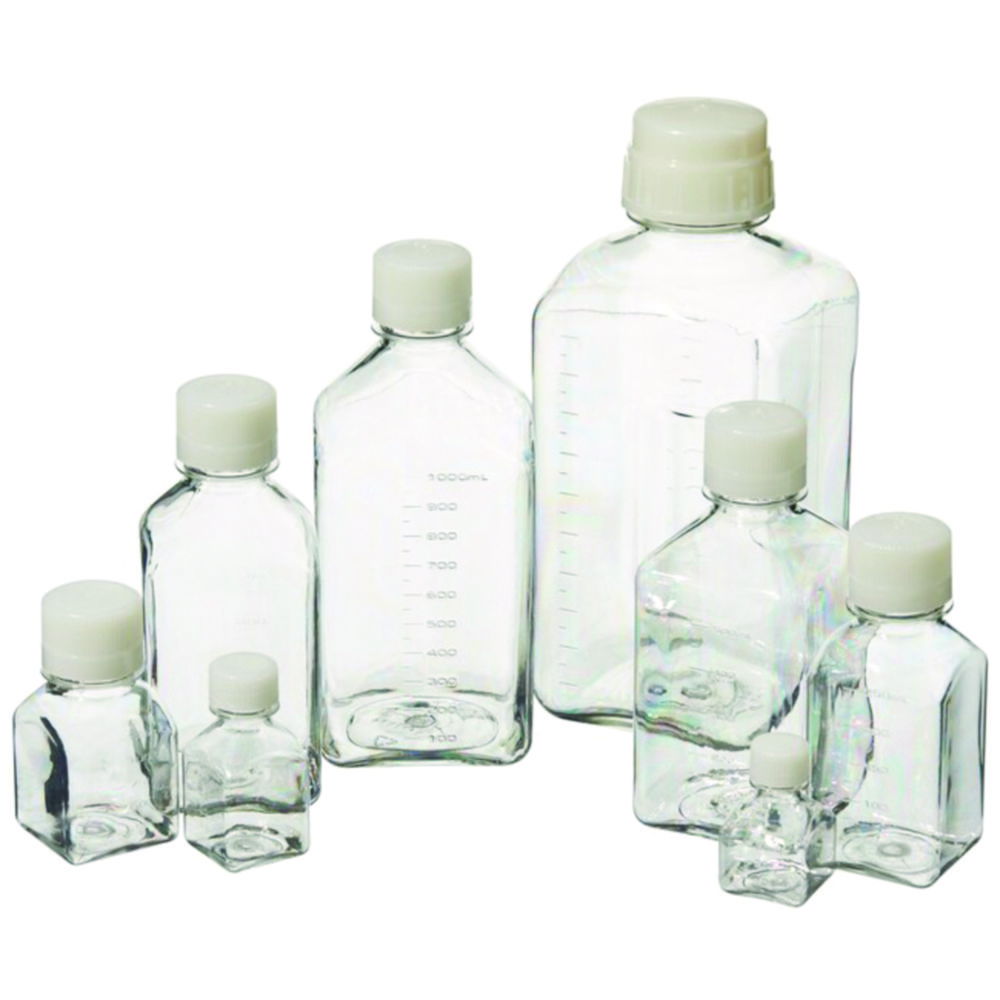
Clear. For the storage of pH-sensitive liquids, such as culture media.Gamma-sterilizedPyrogen-freeNon cytotoxicBreak-resistantLeakproofPermanent graduationReduced permeability of CO2 and O2USP class VI