
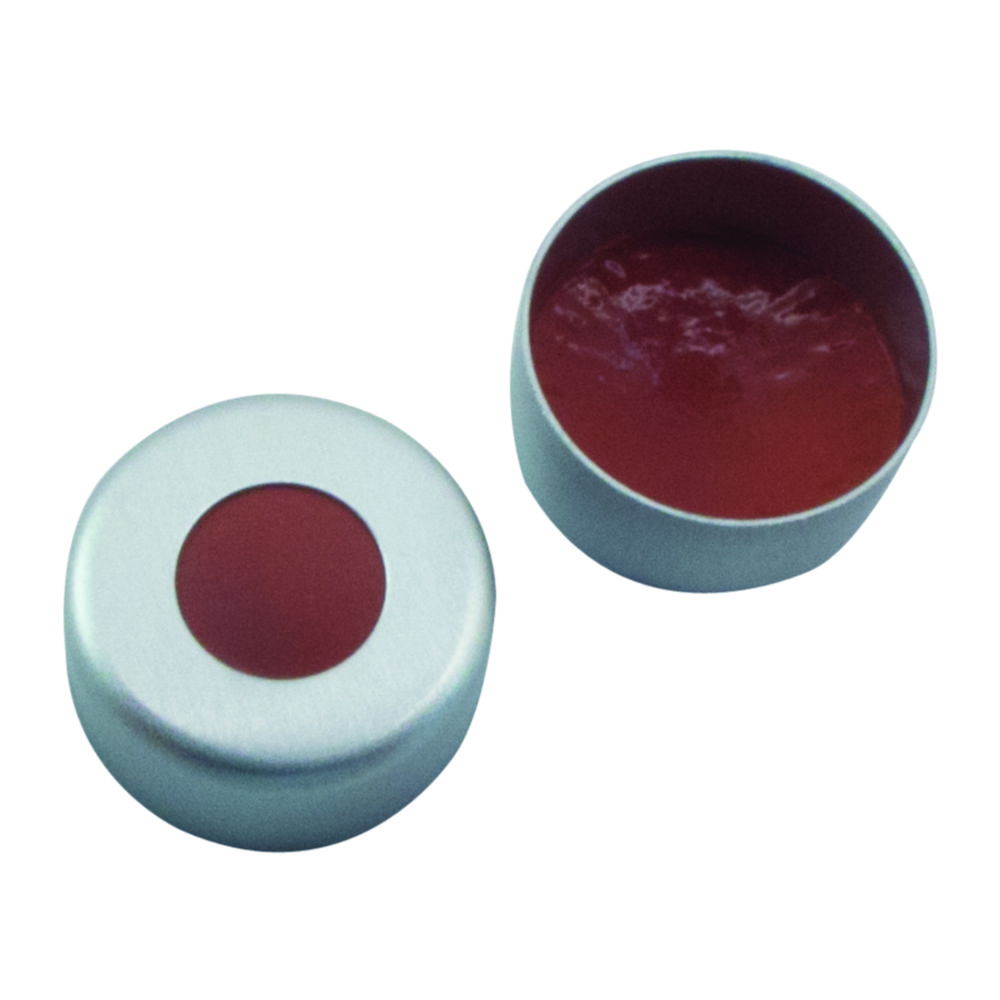
2in1 KITs contain short thread vials ND9 (1.5 ml) with a wide opening and screw caps in a blue PP box.
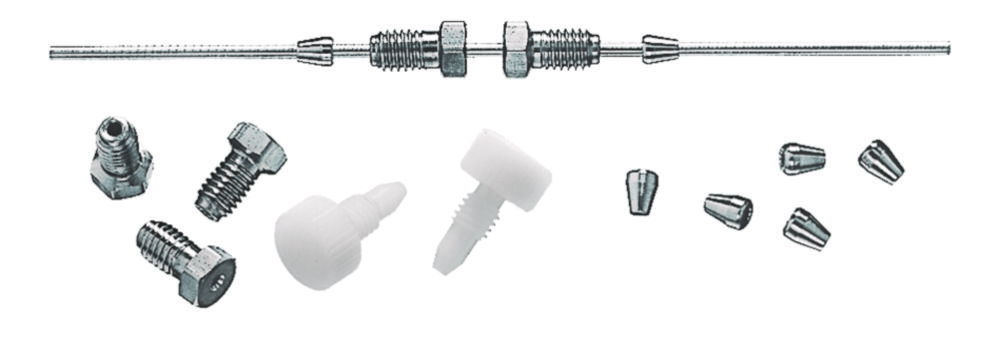
Analytical column system manufactured from stainless steel M 8 outer threads on both ends combination of sealing element and very fine-meshed stainless steel screen, PTFE sealing ring and fitting adaptor column heads SW 12 with inner threads M8 x 0,75 and UNF 10-32, as built -in guard columns use ChromCart® guard column cartridges with 8mm length with the guard column adaptor EC, packed with NUCLEODUR® spherical silica.
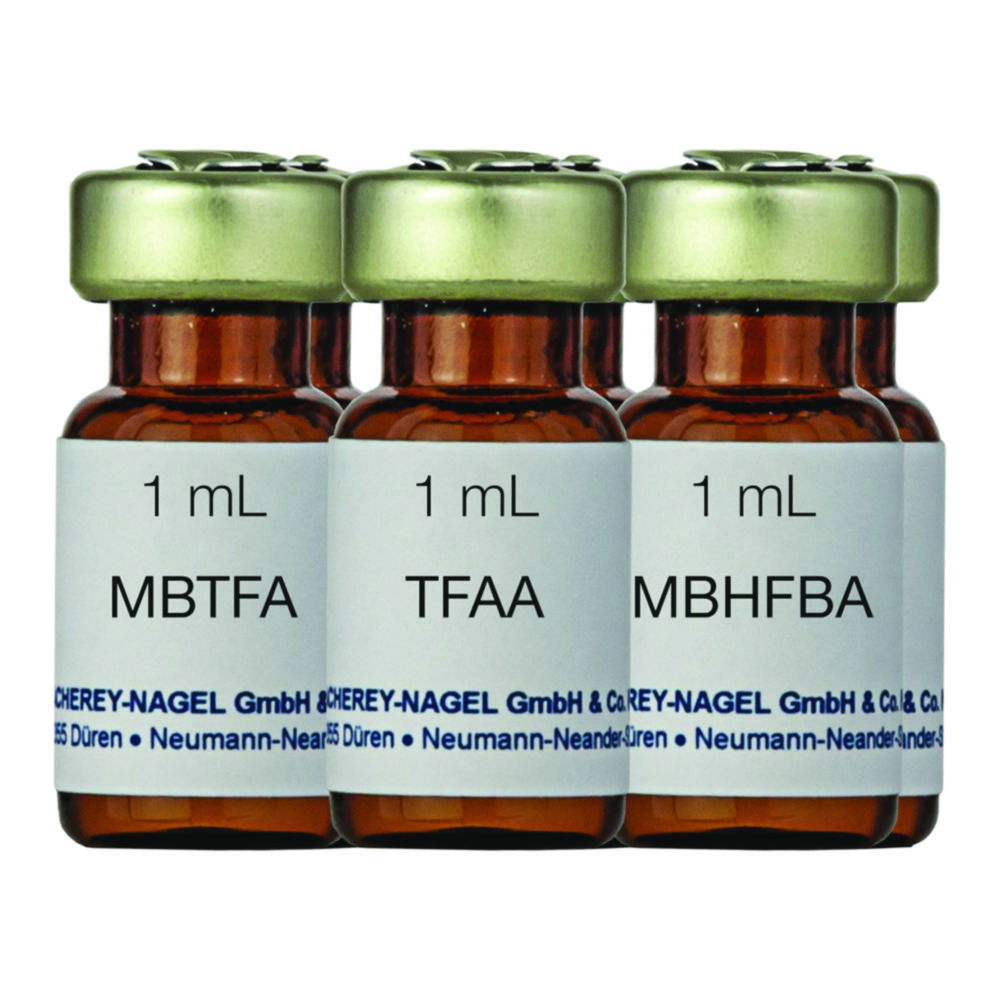
For improved volatility, better thermal stability or low limit of detection in gas chromatography prerequisite: quantitative, rapid and reproducible formation of only on derivative halogen atoms introduced by derivatisation (e.g. trifluoroacetates) allow specific detection (ECD) with the advantage of high sensitivity elution order and fragmentation patterns in MS can be influenced by a specific derivatisation.Which is the proper reagent for acylation?Test kit for determination of the optimum acylation.
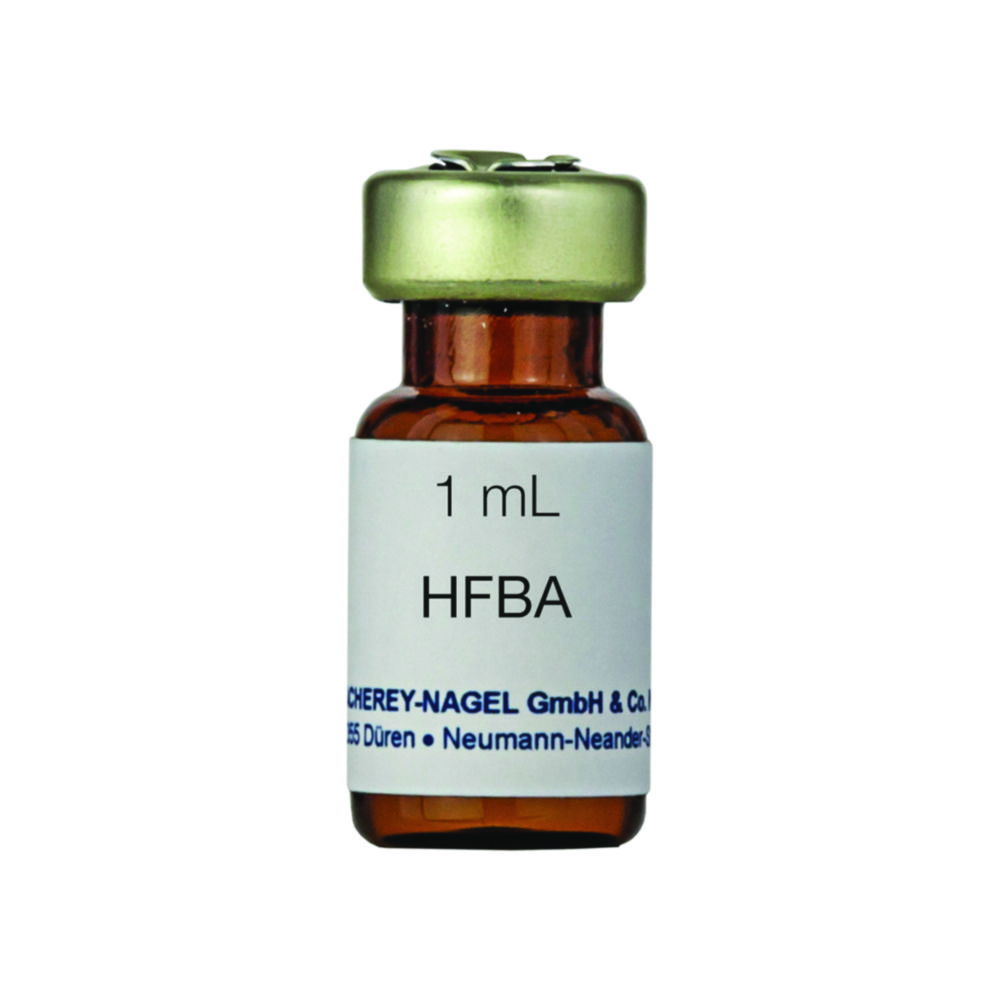
Acylation with fluorinated acid anhydrides can be used for alcohols, phenols, carboxylic acids, amines, amino acids and steroids forming volatile, stable derivatives suited for FID as well as for ECD detection.by-products of acylation with anhydrides: corresponding acidsexcess reagent and the acid formed have to be removedHeptafluorobutyric acid anhydride (HFBA)m.w. 410.06, Bp 106 - 107°C (760mm Hg),C3F7 - CO - O - CO - C3F7density d20°/4° = 1.665
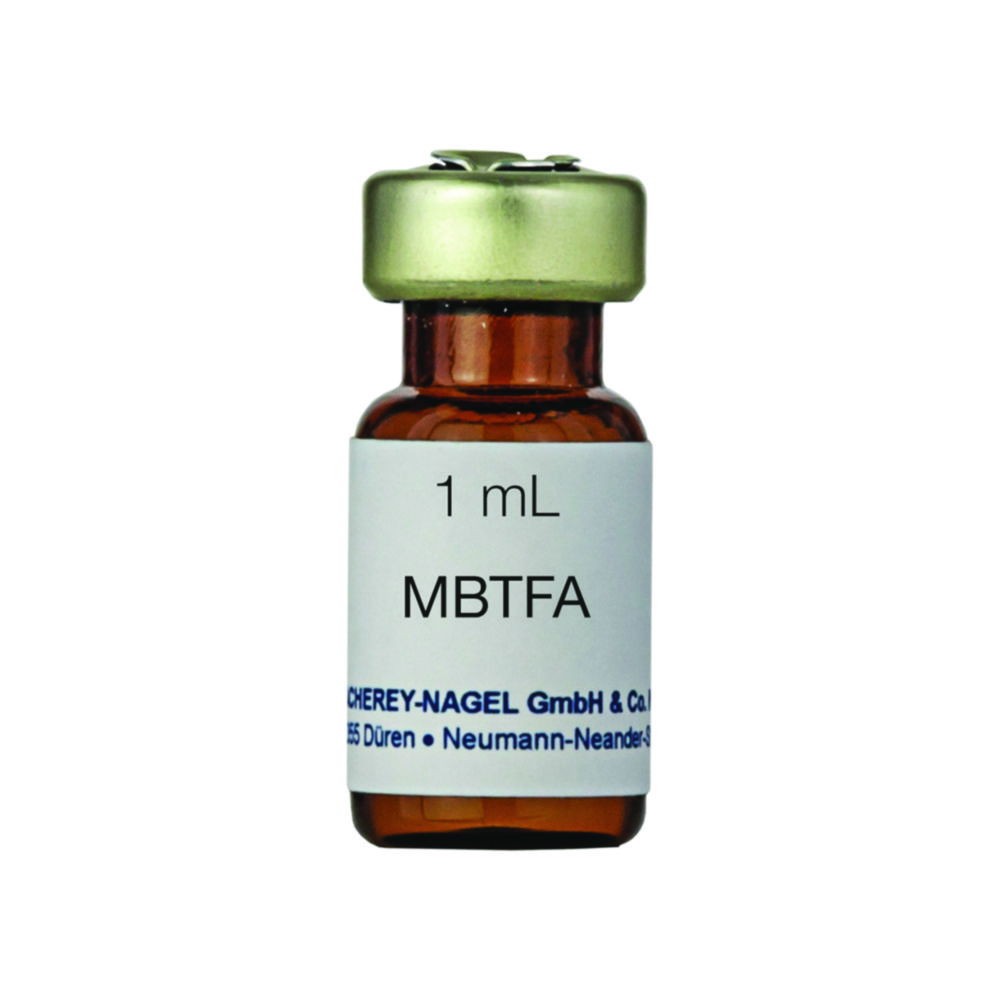
Acylation with fluorinated acid amides is recommended for alcohols, primary and secondary amines as well as for thiols under mild, neutral conditions. MBTFA also forms very volatile derivatives with carbohydrates.by-products: corresponding neutral acylamides, which can be easily removed due to their high volatility; because of neutral conditions and favourable chromatographic properties often removal of the bisacylamide is not necessary. Thus sample preparation is much more convenient.MBTFA / MBHFBAN-methyl-bis(trifluoroacetamide) MBTFAm.w. 223.08, Bp 123 - 124°C (760mm Hg), density d20°/4° = 1.55,CF3 - CO - N(CH3) - CO - CF3Due to their purpose, derivatisation reagents are very reactive substances. For this reason they should be stored cool and protected from moisture.The derivatisation reagents are supplied in vials with crimp caps for easy access with a syringe. Vials with pierced sealing disks have limited stability and should be used soon.
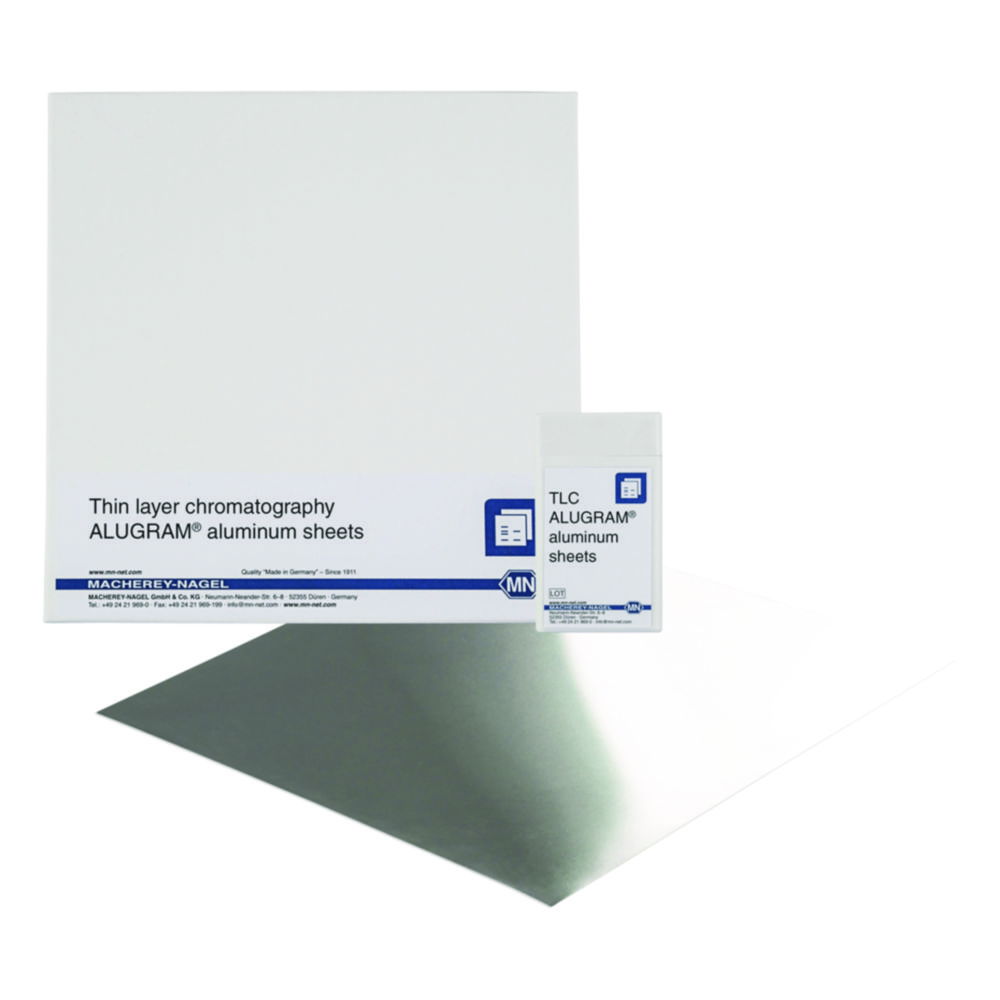
Silica 60, specific surface (BET) ~ 500m²/g, mean pore size 60Å, specific pore volume 0.75ml/g, particle size 5 to 17µm. Outstanding hardness and abrasion resistance due to an optimized binder system. Increased separation efficiency due to an optimized particle size distirbution. High suitability for trace analyses resulting from a UV indicator with brilliance and a low-noise background of the layer.Available as glass plates with or without fluorescent indicator (UV254).
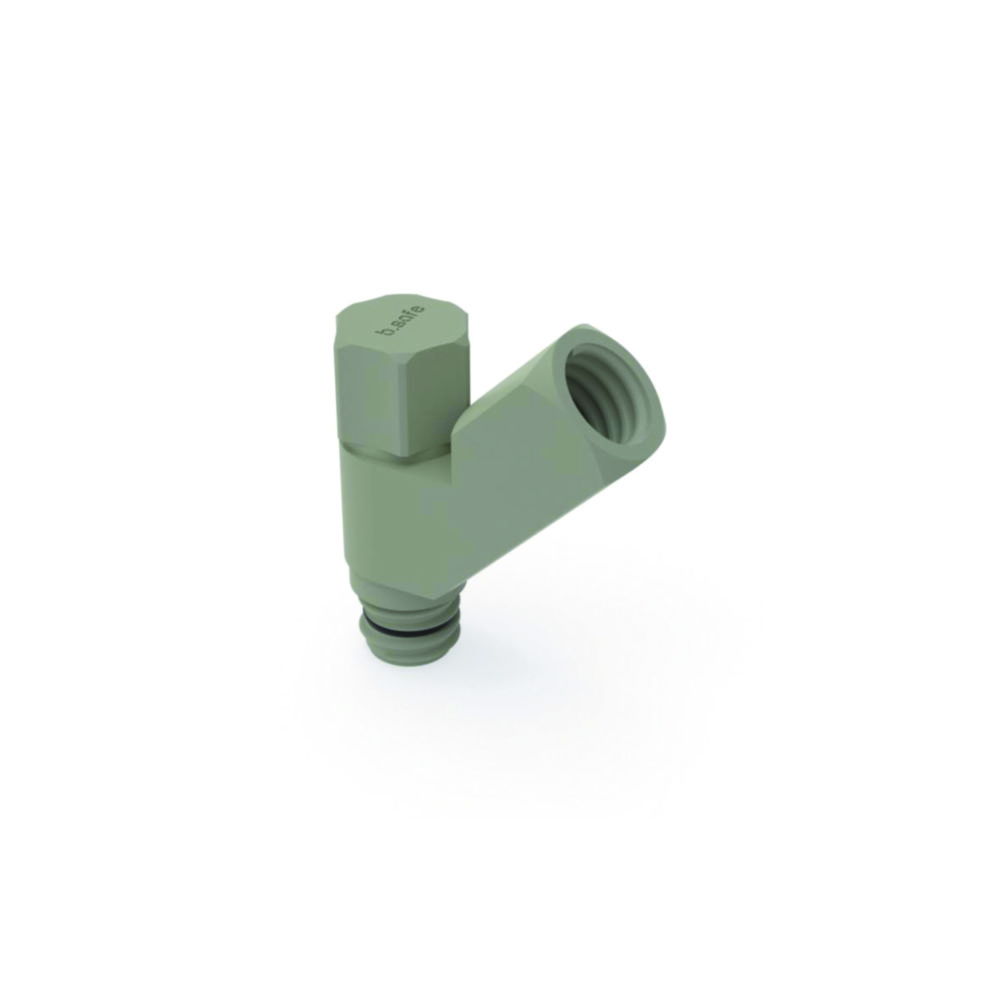
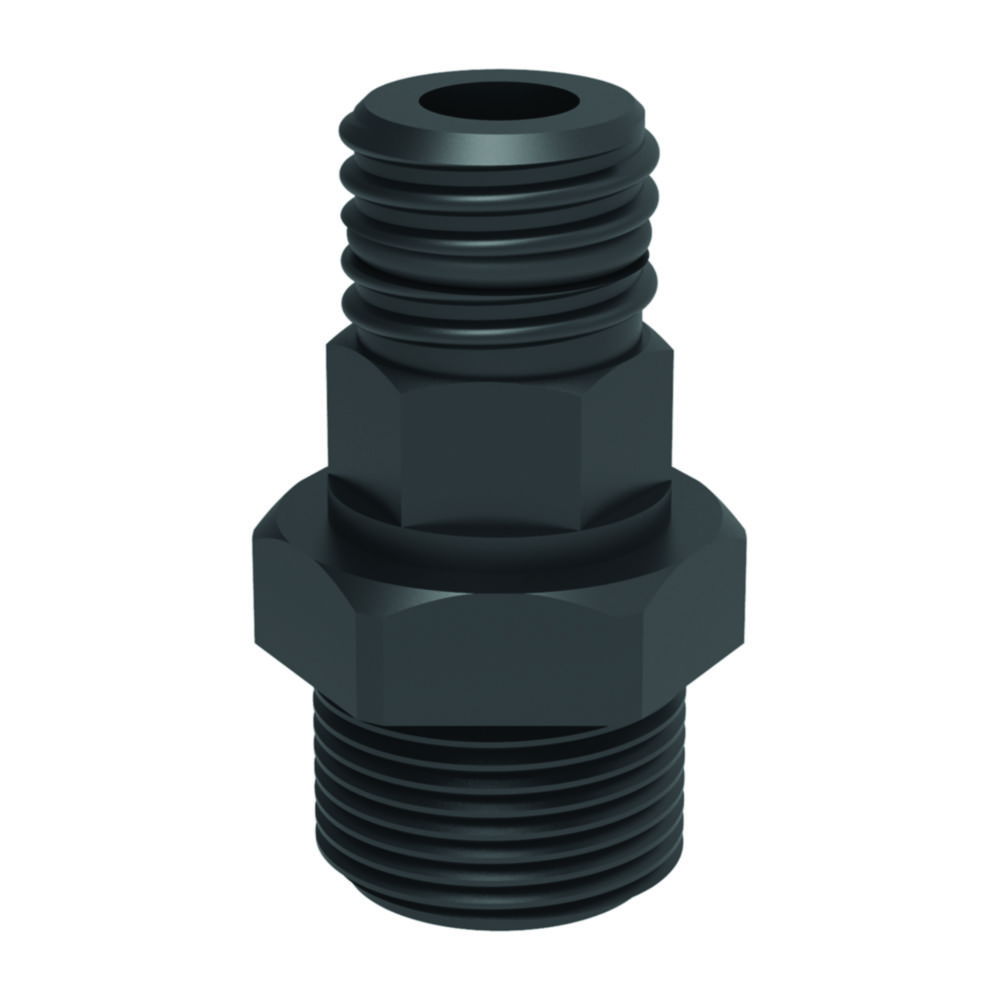
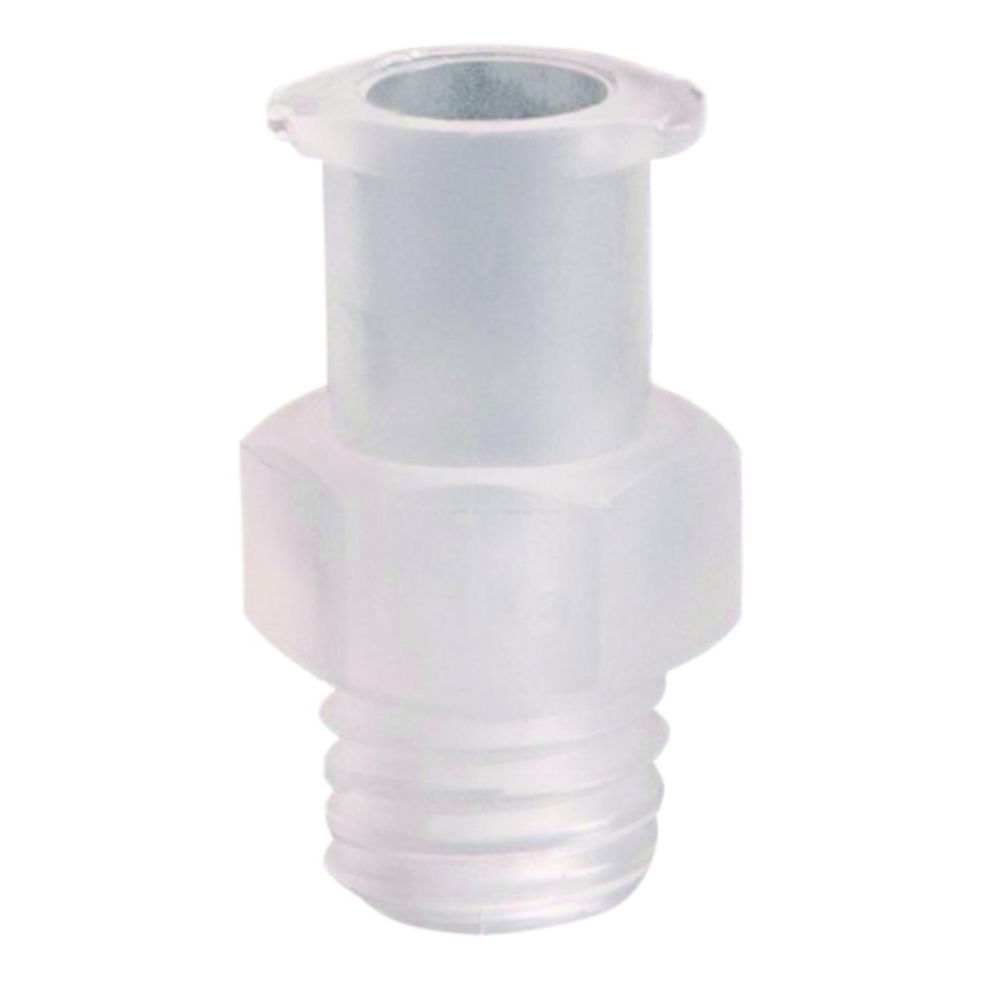
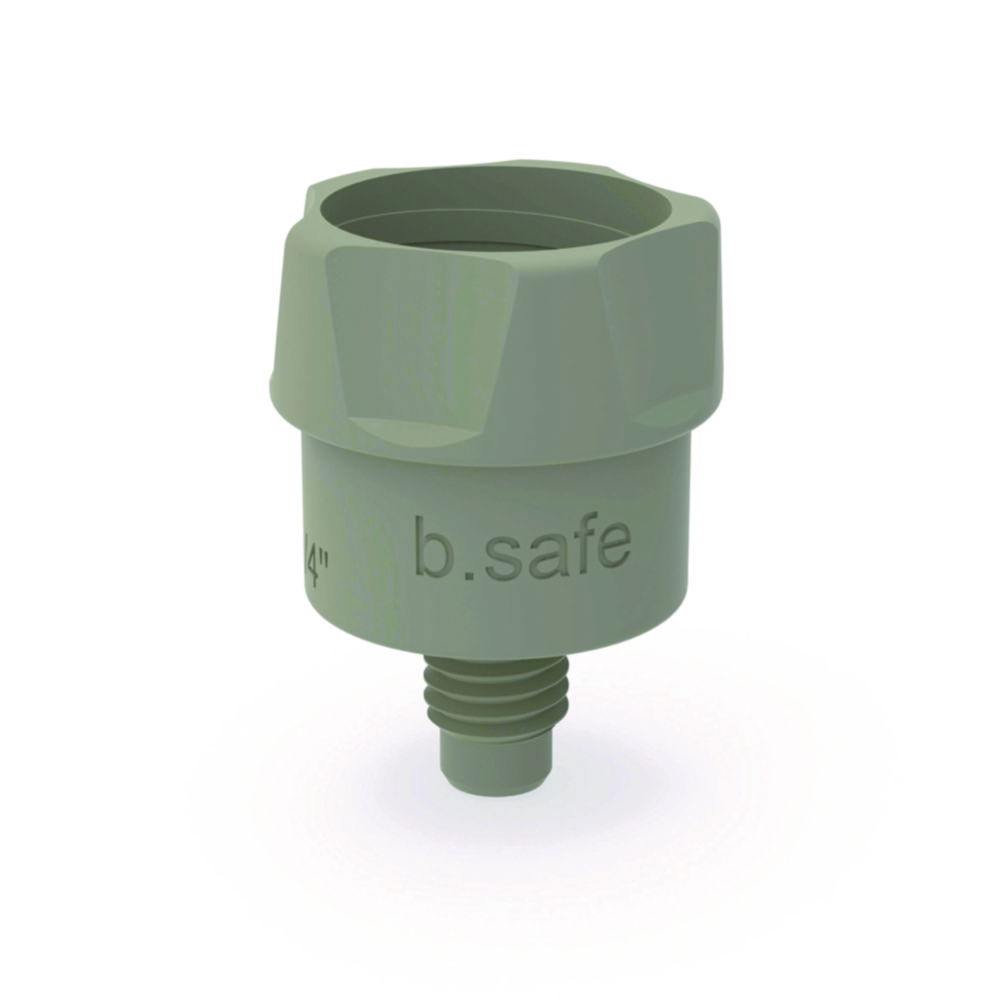
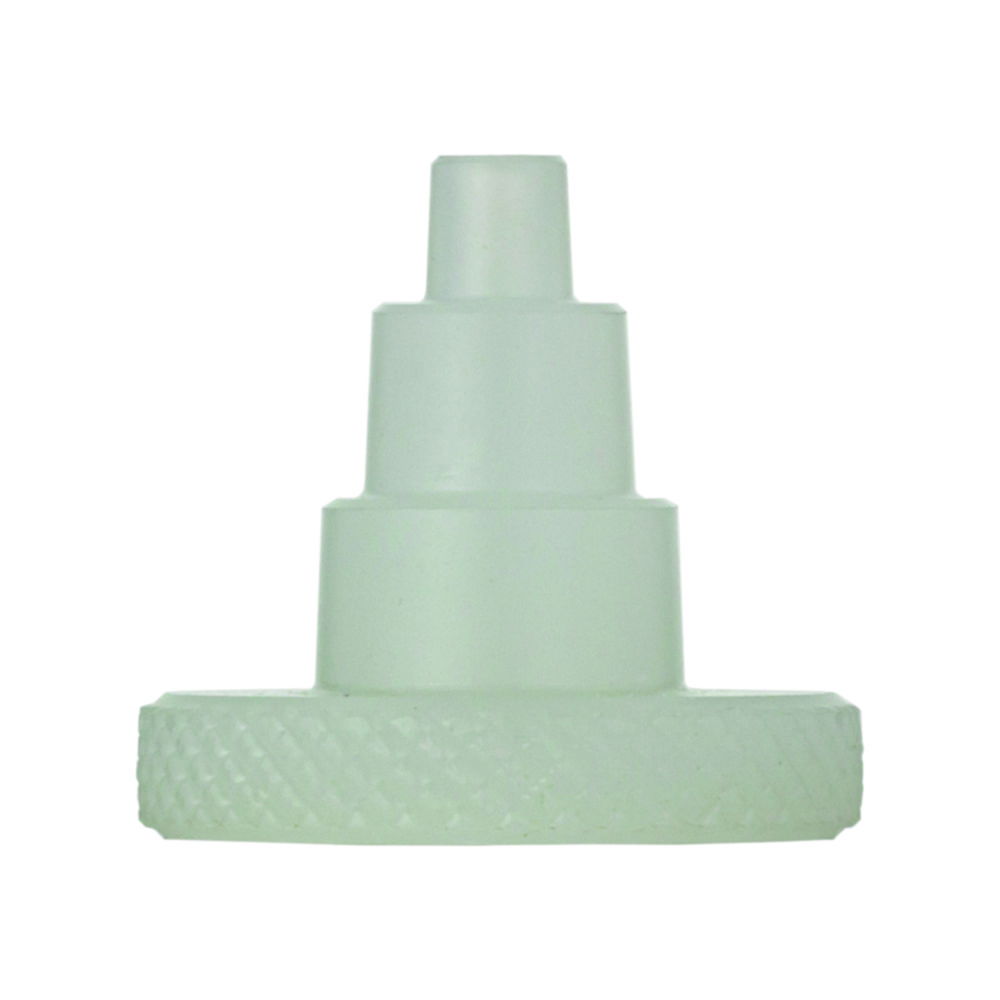
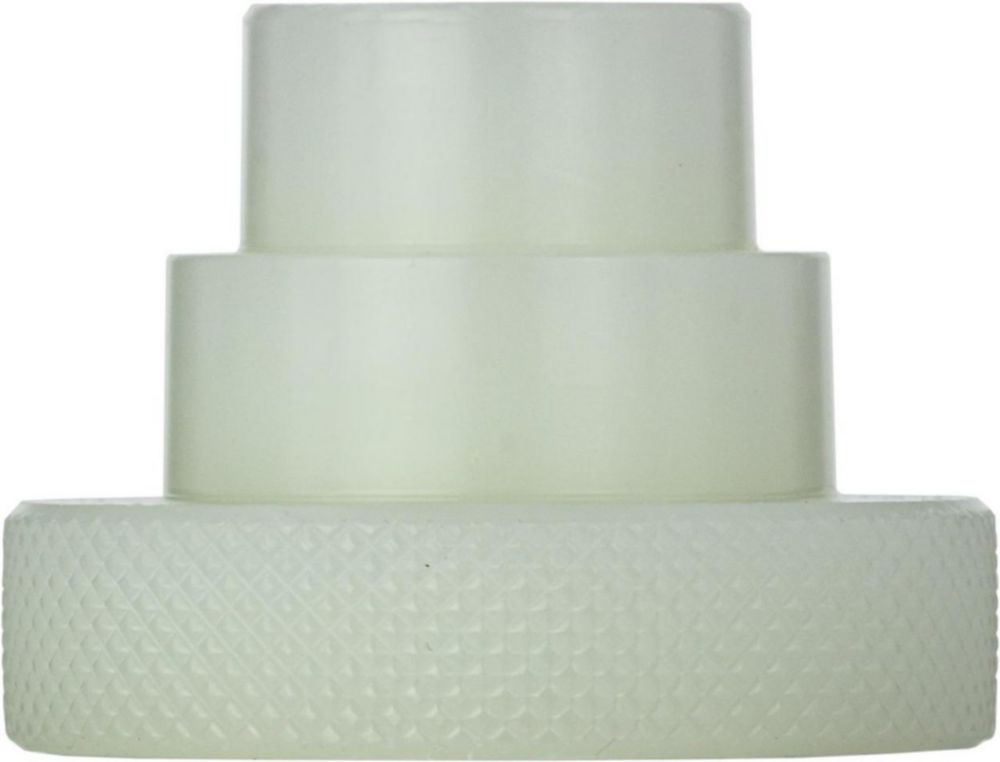
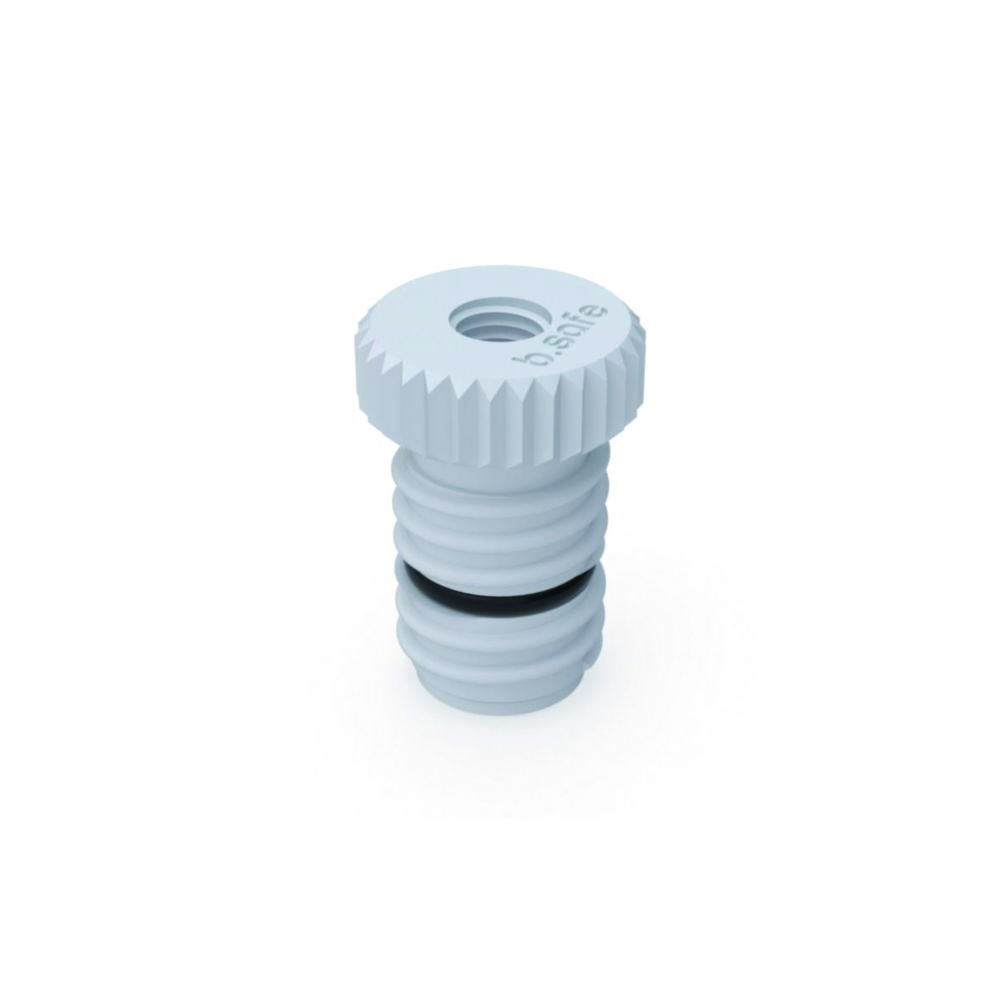
For installation of capillaries at exhaust filter connection of b.safe Waste Caps. The adapter made of PE-EX is conductive.
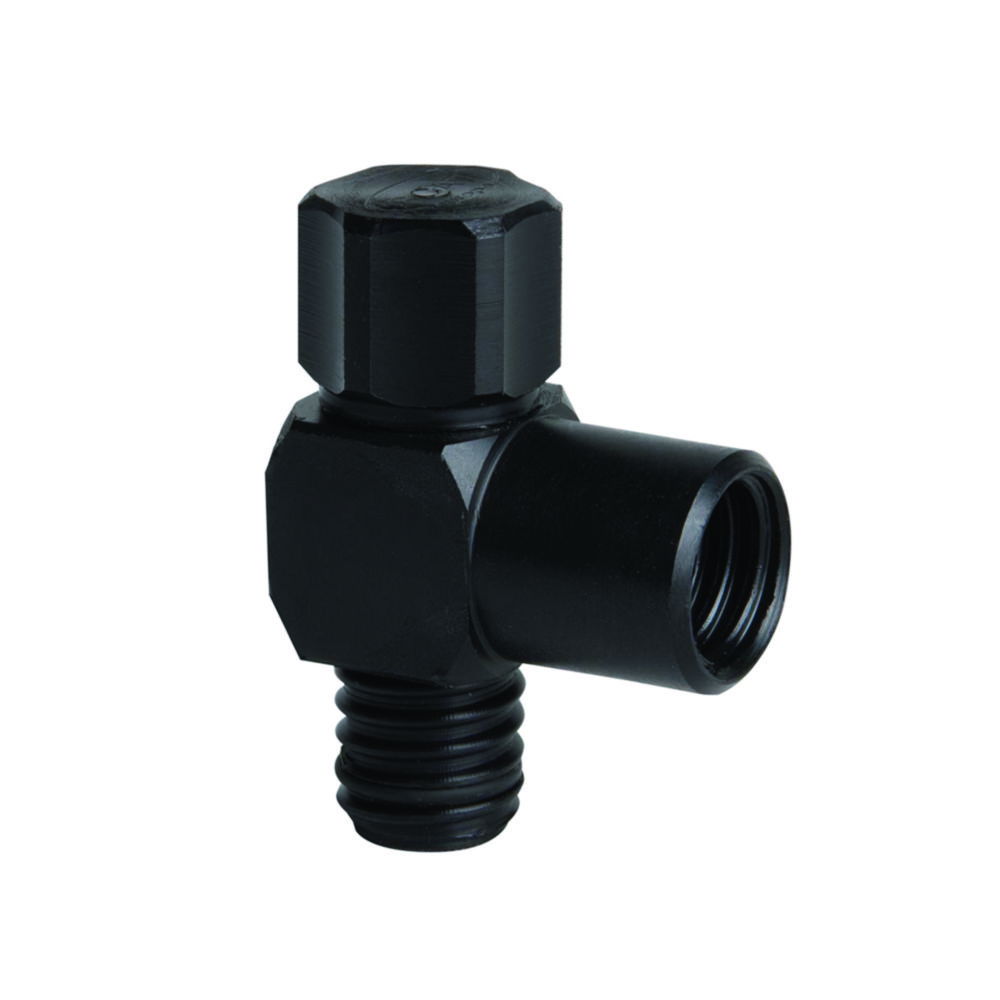
Space problems in the lab? Use the adapters for the exhaust filter to gain more free space. Attach the exhaust filter in any position - perfect when dealing with lower installation heights.
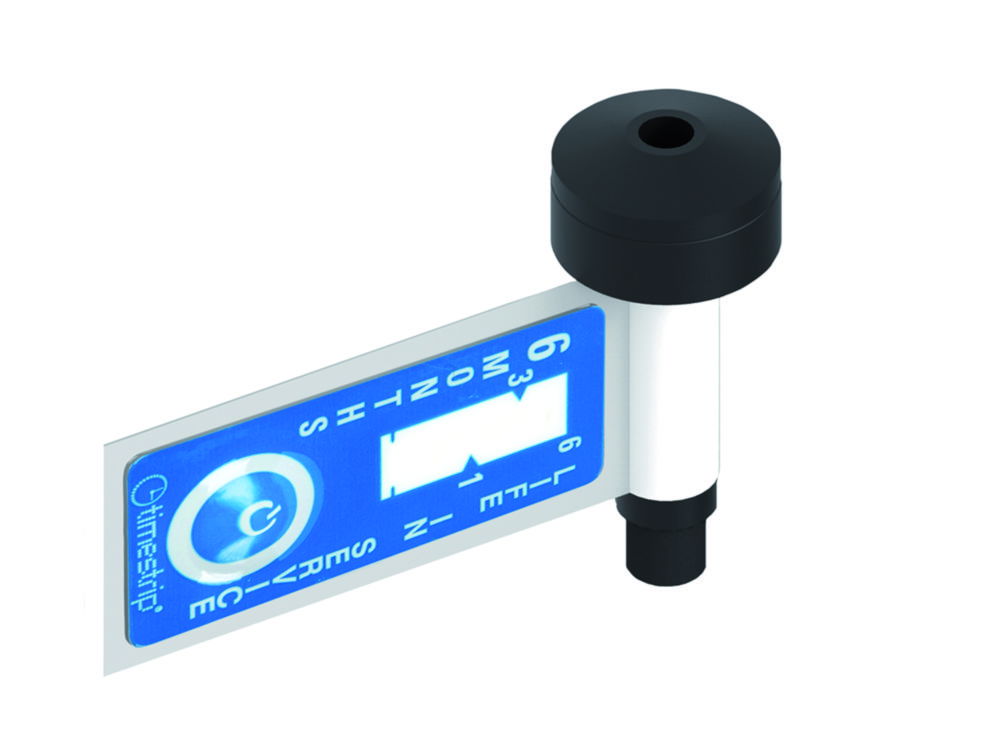
Air valves prevent the formation of vacuum in HPLC bottles.PTFE membrane1/4"-28 thread portWith timestrip sticker
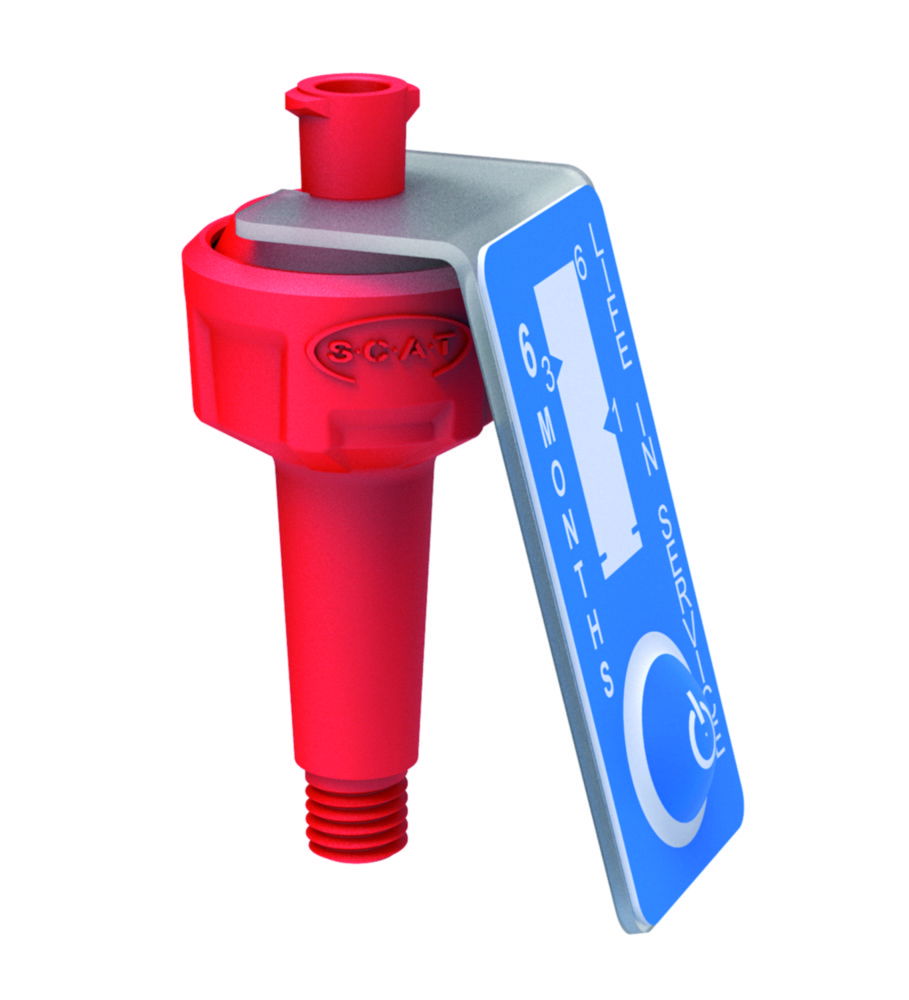
Thread size UNF 1/4" 28GLuer Lock adapterPTFE FilterValve membrane blocks vapours and opens at negative pressureIt is recommended to replace the valve every 6 monthsWith change indicator and labelling field for timely change
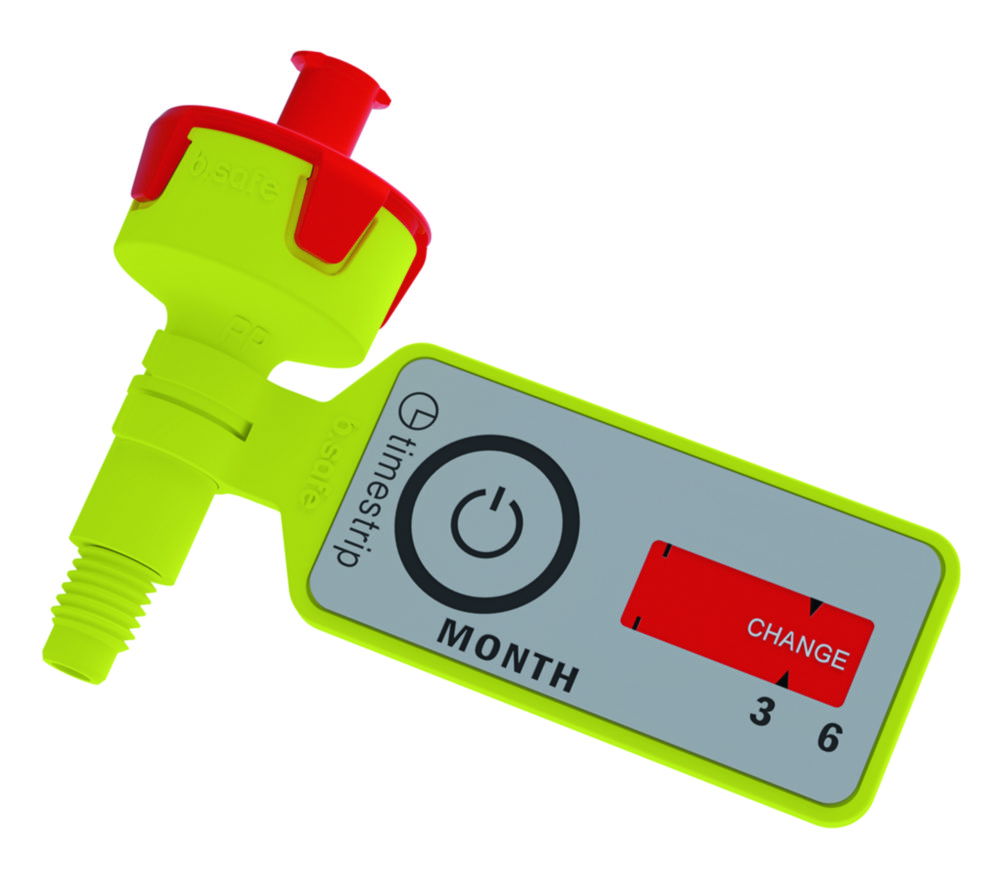
Red/yellow. With connecting thread UNF ¼" 28G. Filter membrane made of PTFE/PP with a porosity of 1 µm and integrated non-return valve made of silicone. With service life indicator.
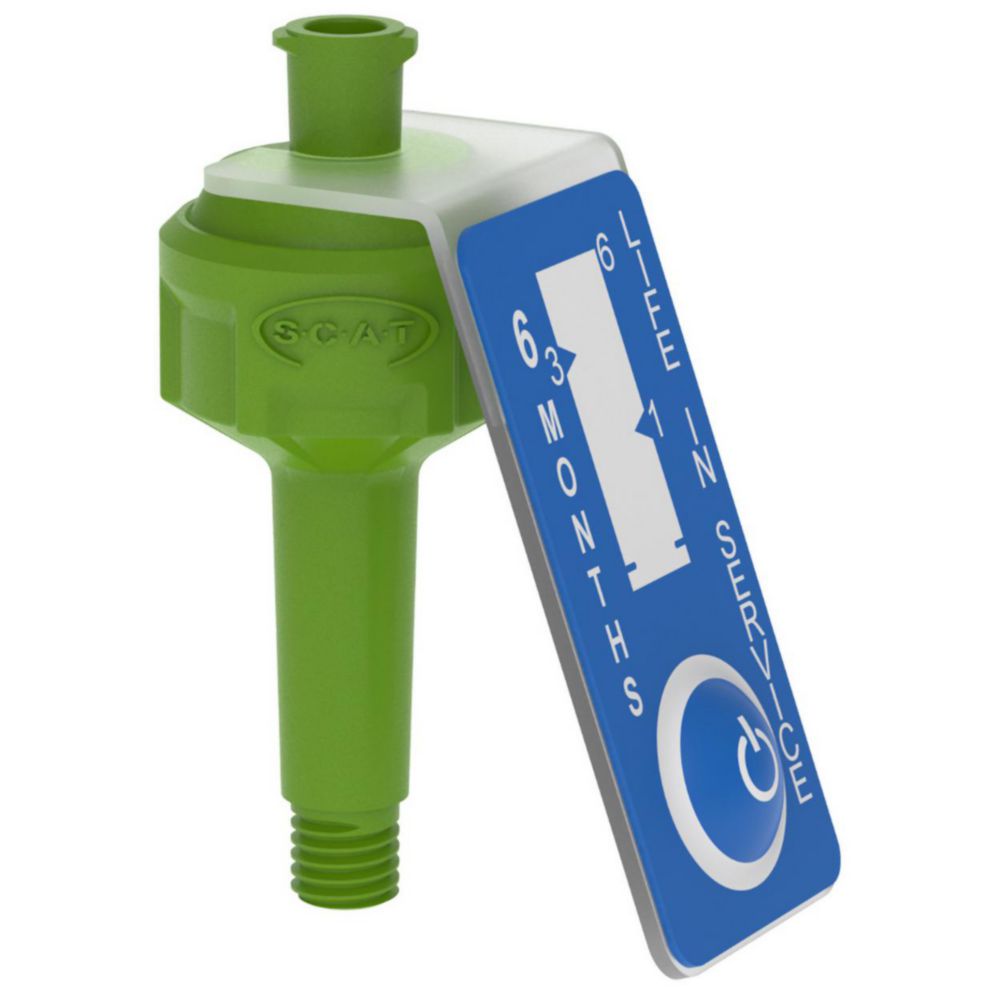
The air valve blocks harmful vapours and ensures safe pressure equalisation in the storage tanks. For PFAS analysis of polyfluorinated chemicals according to DIN 38407-42/ DIN 38414-14.With filter membraneLuer-Lock connectionChange indicator
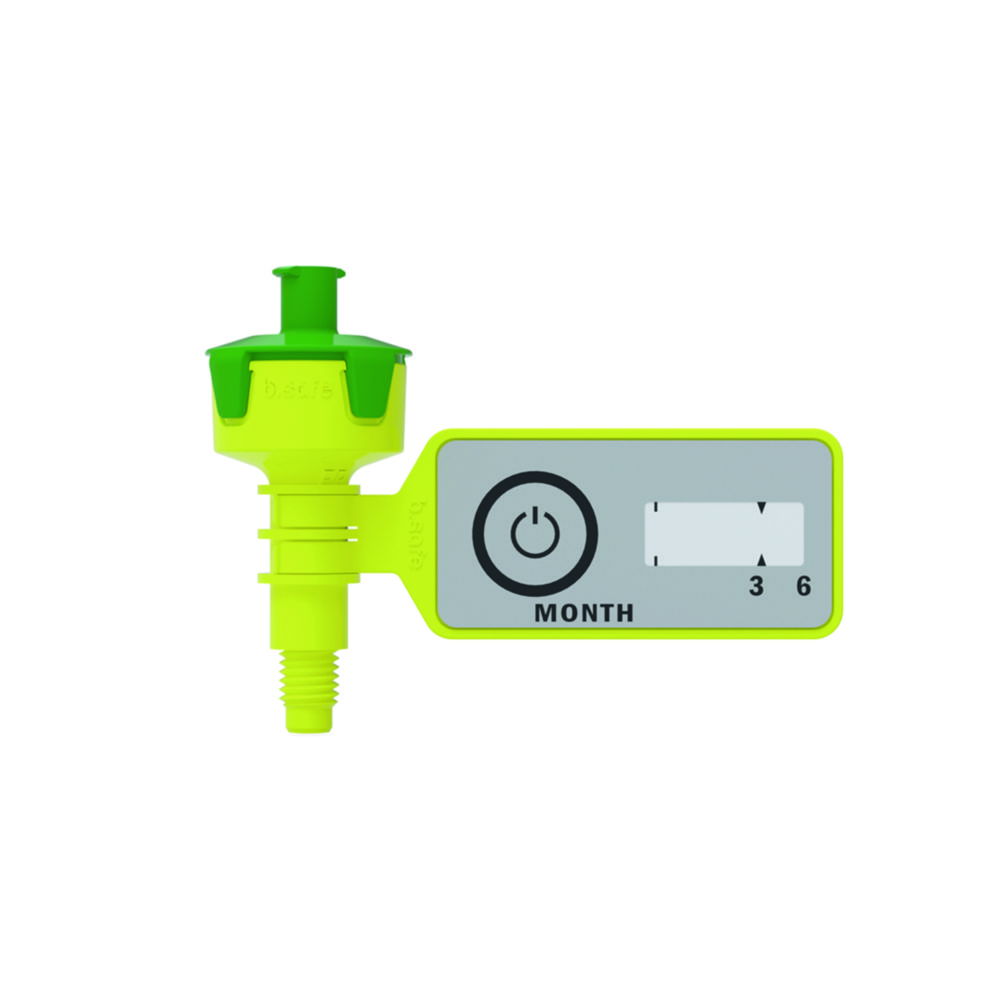
The integrated non-return valve avoids evaporation of solvents and lets flow ambient air into the bottle in case of vacuum. The upstream PP membrane restrains pollutant particles and other contaminations from outside.Free from polyhaloolefinsLid with aeration opening and Luerlock connectorClip-on service life indicator
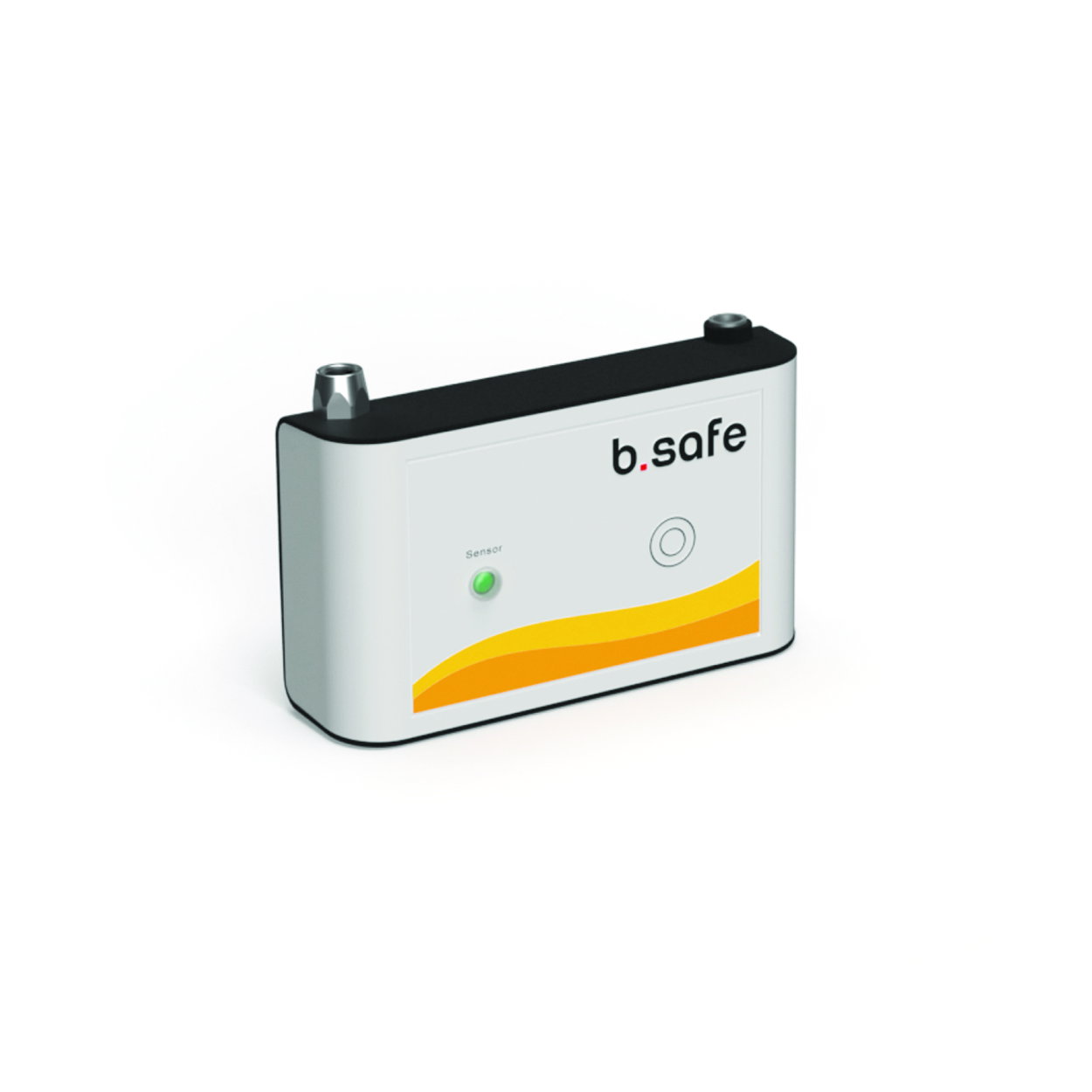
Alarm box in plastic housing. Front side with touch buttons and LED indicators to monitor the operation and the fill level of the connected sensors. Optical and acoustic alarm starting when containers are full or empty. For placement on the laboratory bench.
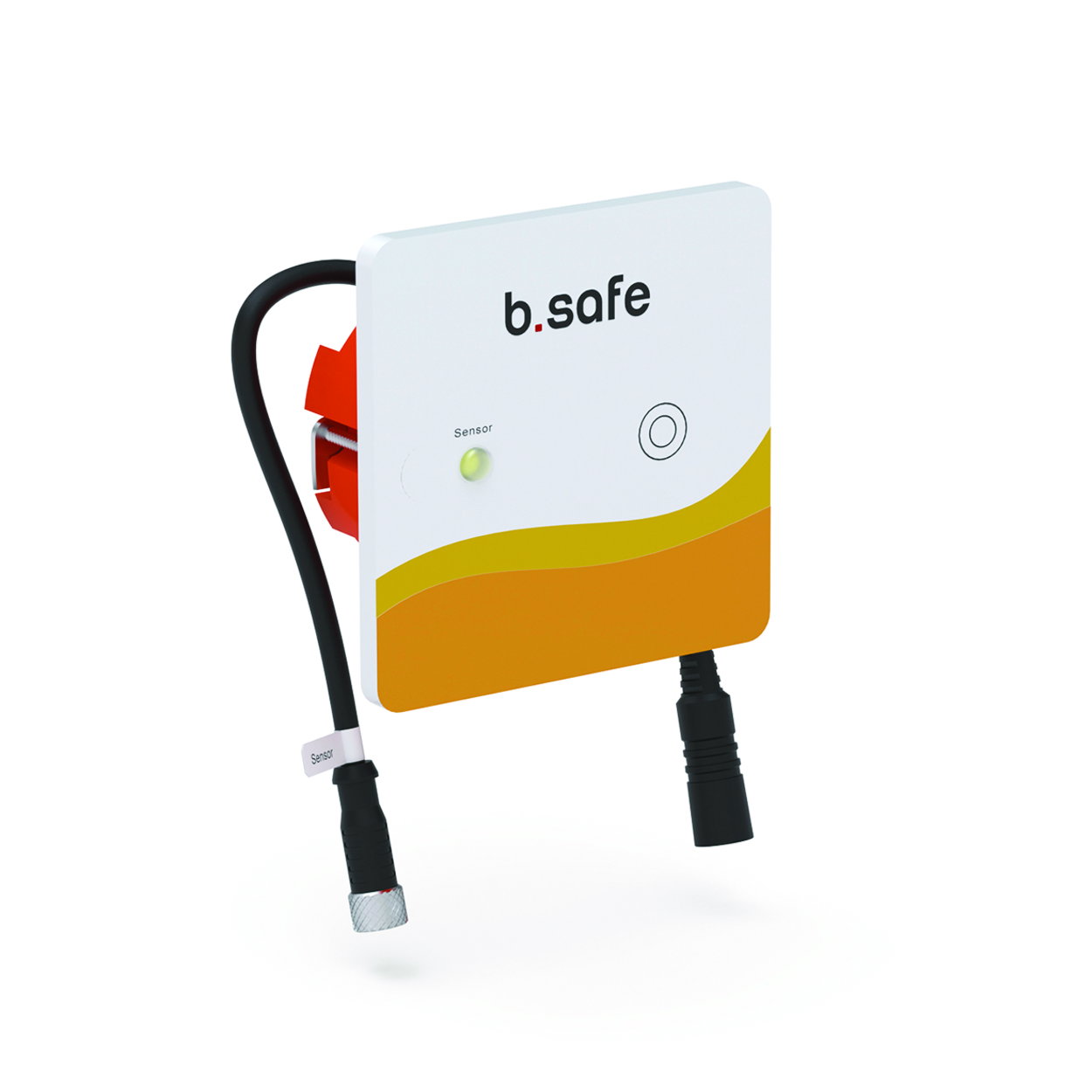
Alarm box with halogen-free plastic housing for an installation in front plates of lab furniture. Front side with touch buttons and LED indicators to monitor the operation and the fill level of the connected sensors. Optical and acoustic alarm starting when containers are full or empty.
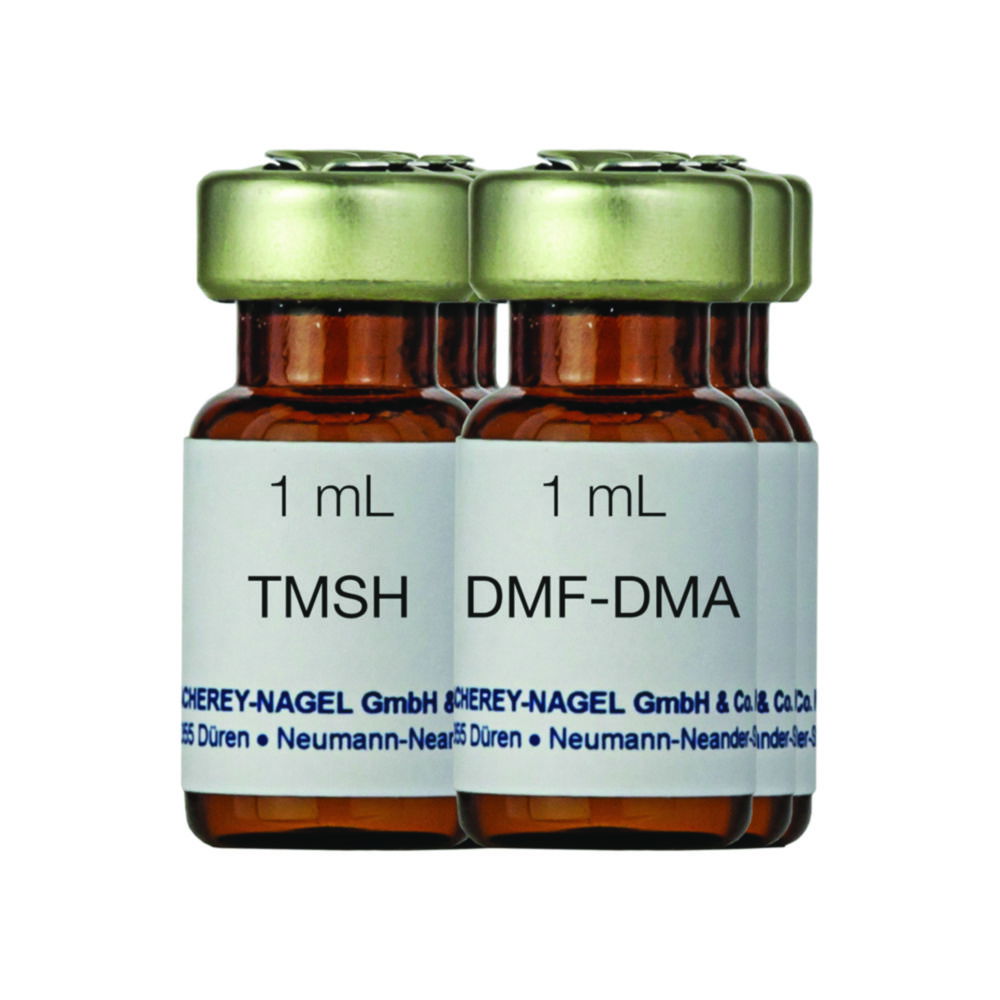
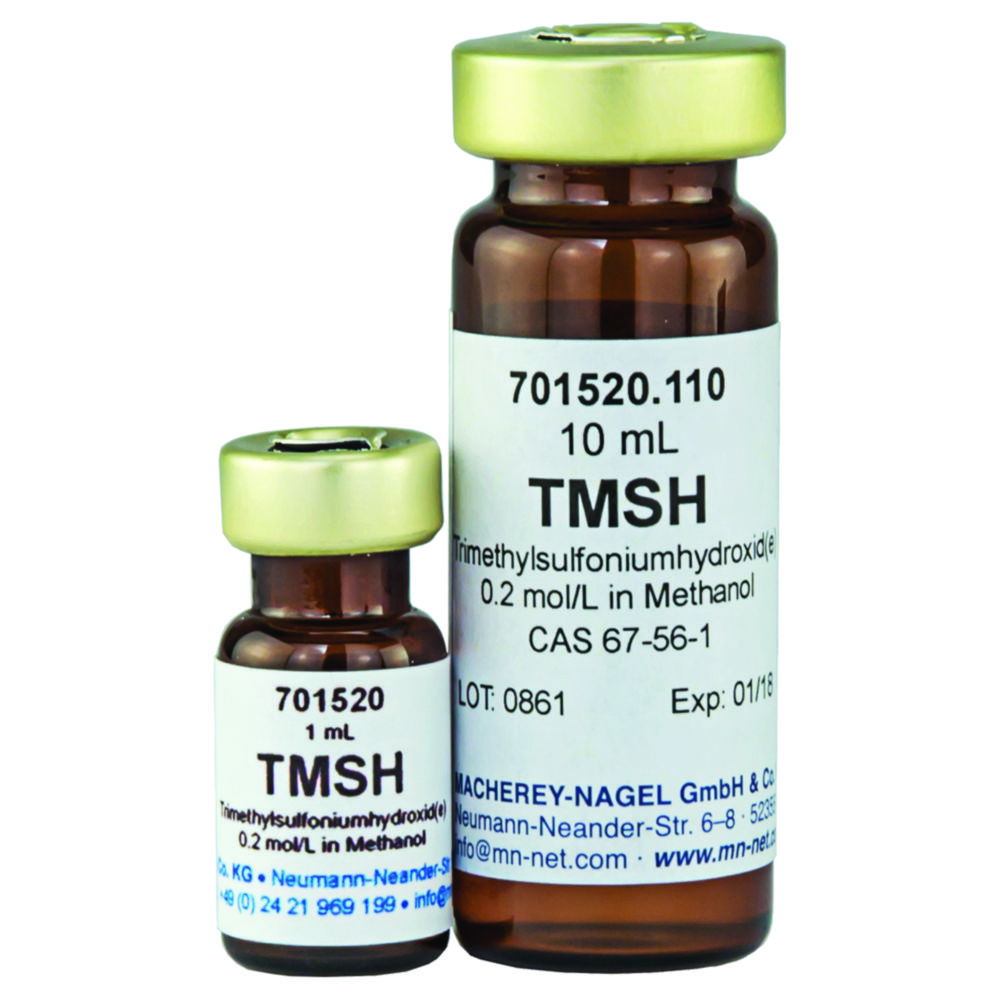
Which is the proper reagent for methylation?Test kit for determination of the optimum alkylation.
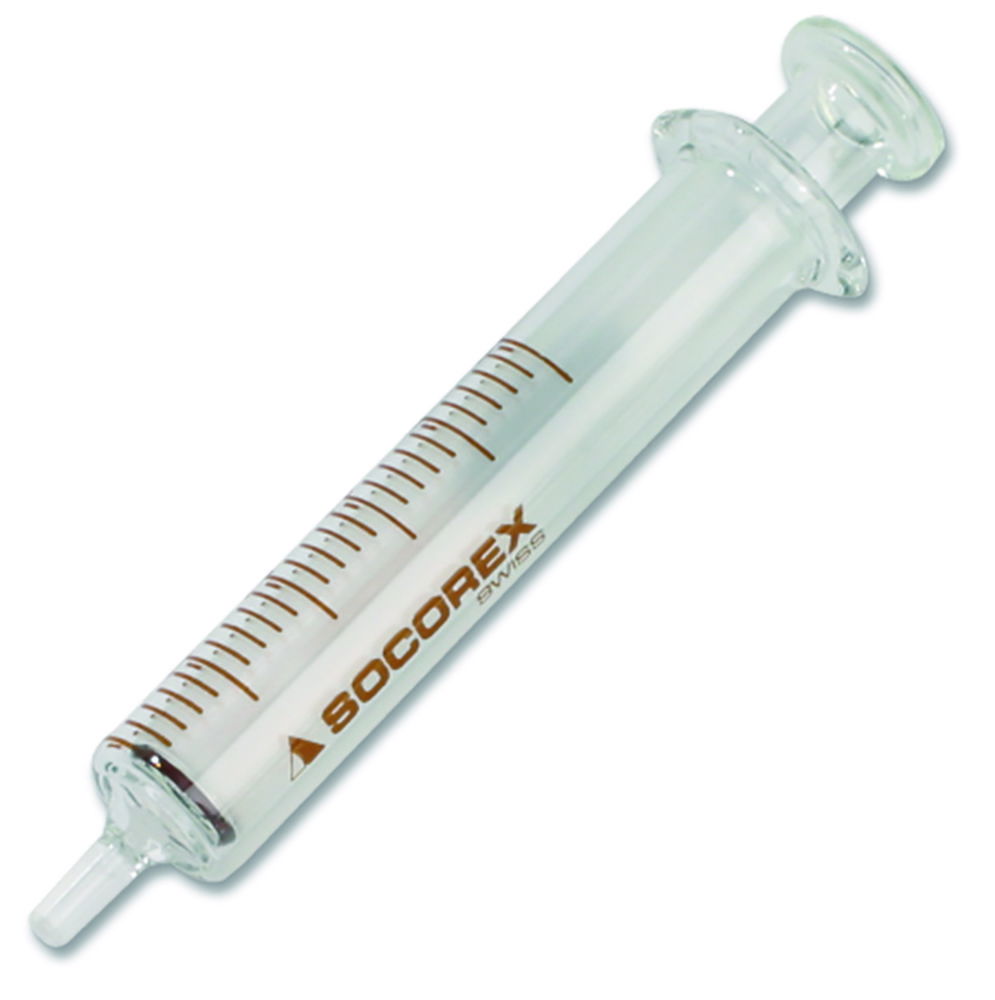
The reusable borosilicate glass syringes offer superior chemical and heat shock resistance. A precious, low cost alternative to disposable plastic syringes, complementing the self-refilling models in many applications.Precision-machined plunger and barrel,Excellent fitting and liquid tightness (not gas tight)Permanent, high visibility graduationsAutoclavable at 121 °C / 250 °F
ALUGRAM®Nano silica 60, specific surface (BET) ~ 500m²/g, mean pore size 60Å, specific pore volume 0.75ml/g, particle size 2 to 10µm. Indicator: manganese activated zinc silicate with green fluorescence for short-wave UV (254nm).Binder: highly polymeric product, which is stable in almost all organic solvents and resistant towards aggressive visualisation reagents. Narrow fractionation of the silica particles allows sharper separations, shorter developing times, shorter migration distances, smaller samples and an increased detection sensitivity compared to SIL G plates.Available as glass plates with or without fluorescent indicator (UV254).
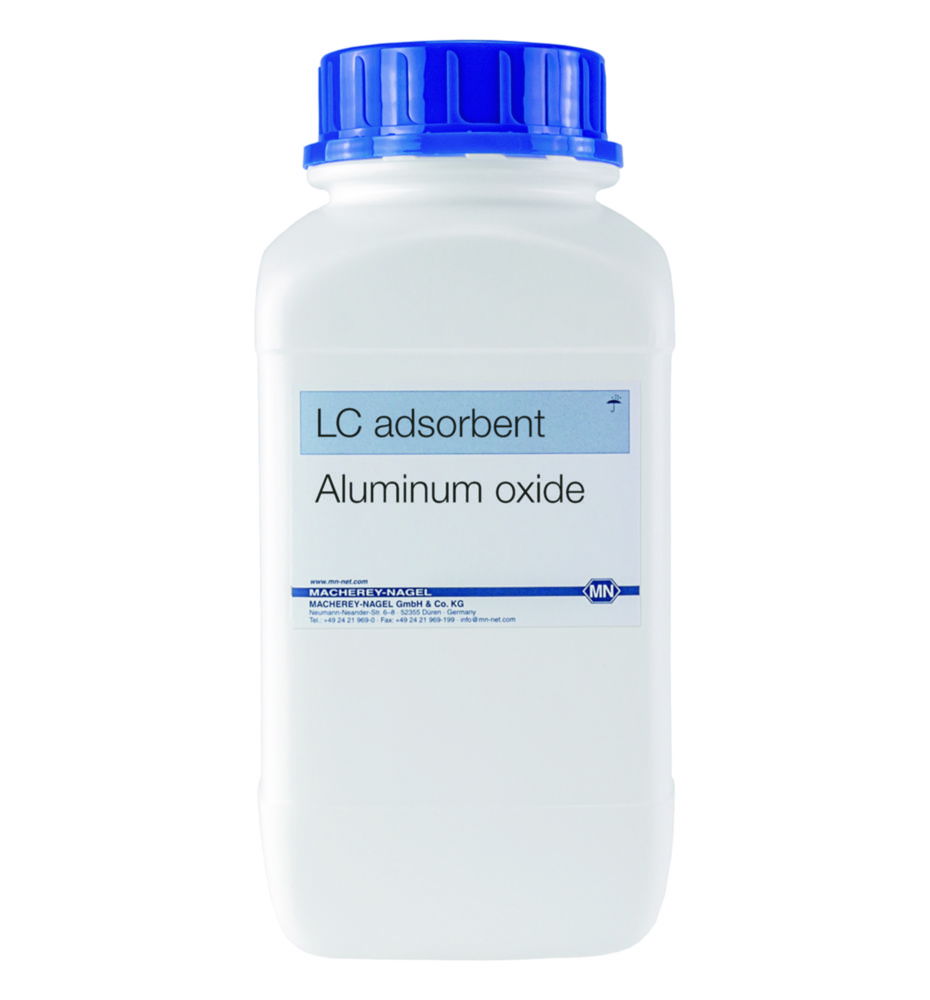
Aluminium oxides produced by dehydration of different aluminium hydroxides, e. g. hydrargillite between 400 and 500°C, activity grade I, particle size 50 to 200µm, specific surface (BET) ~ 130m²/g.
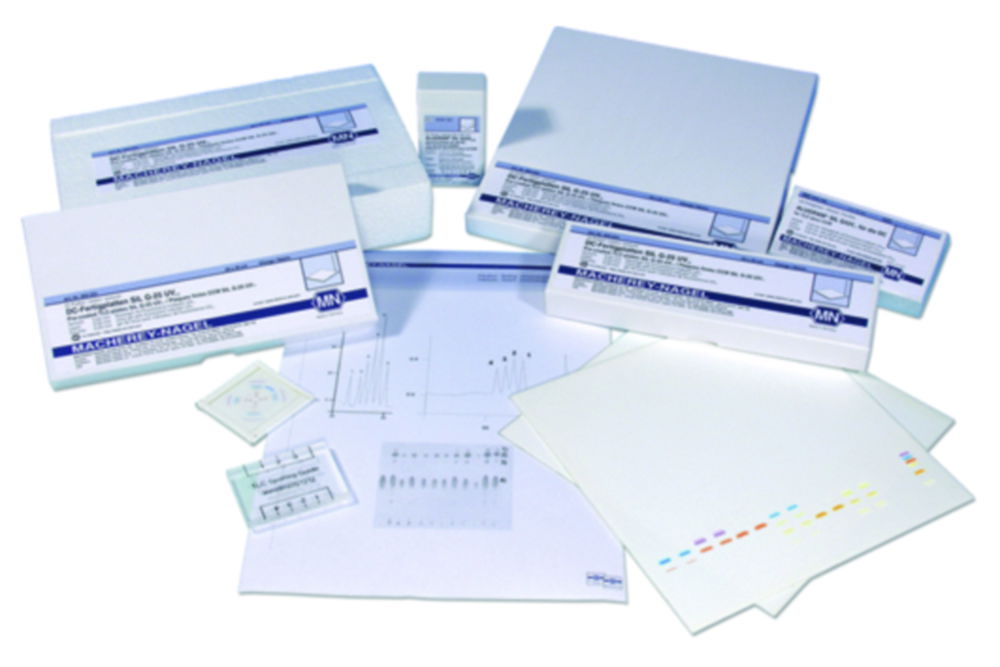
Standard, rigid TLC plates in a choice of media, backing materials, and with dimensions as outlined below.*with 254 nm UV indicator